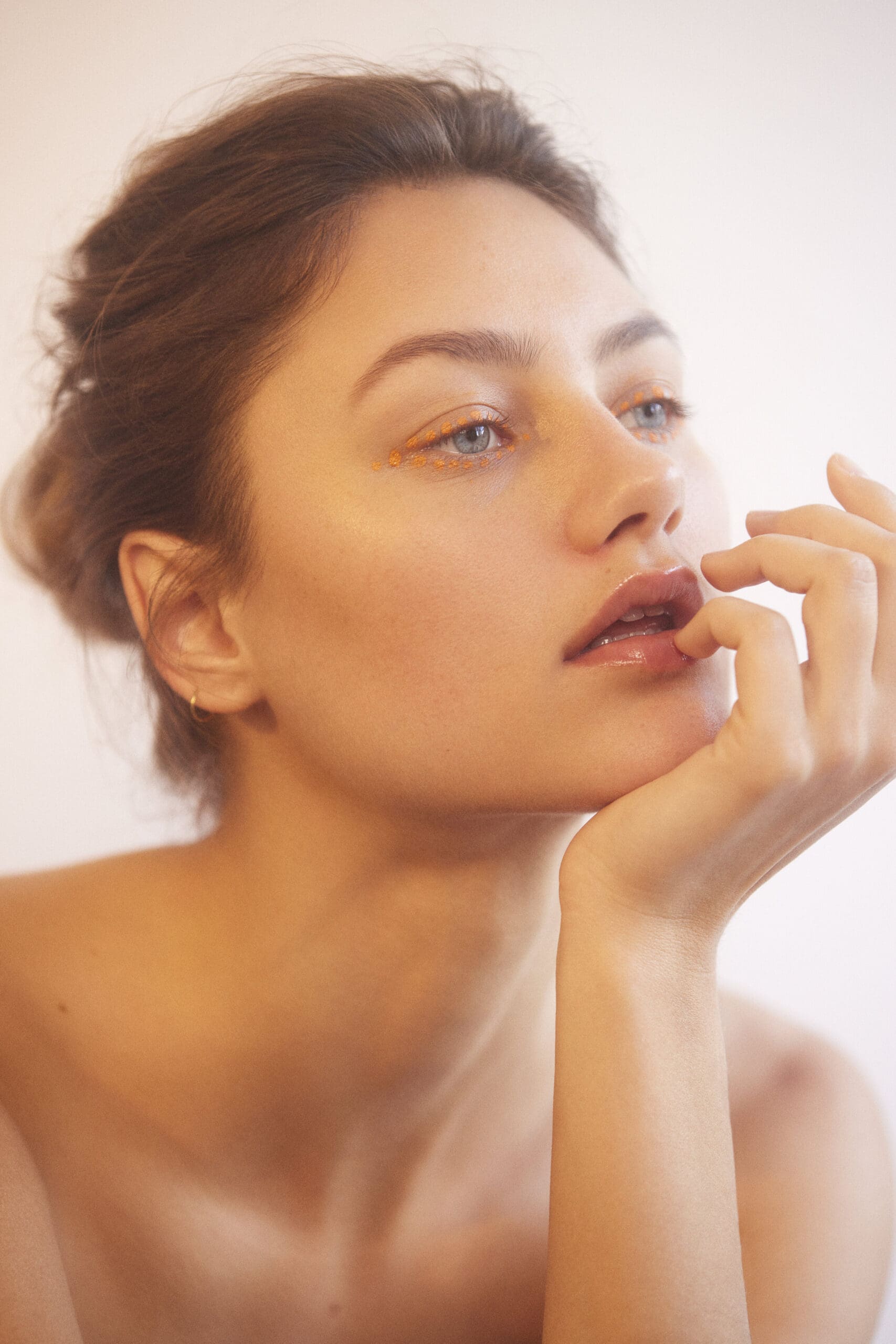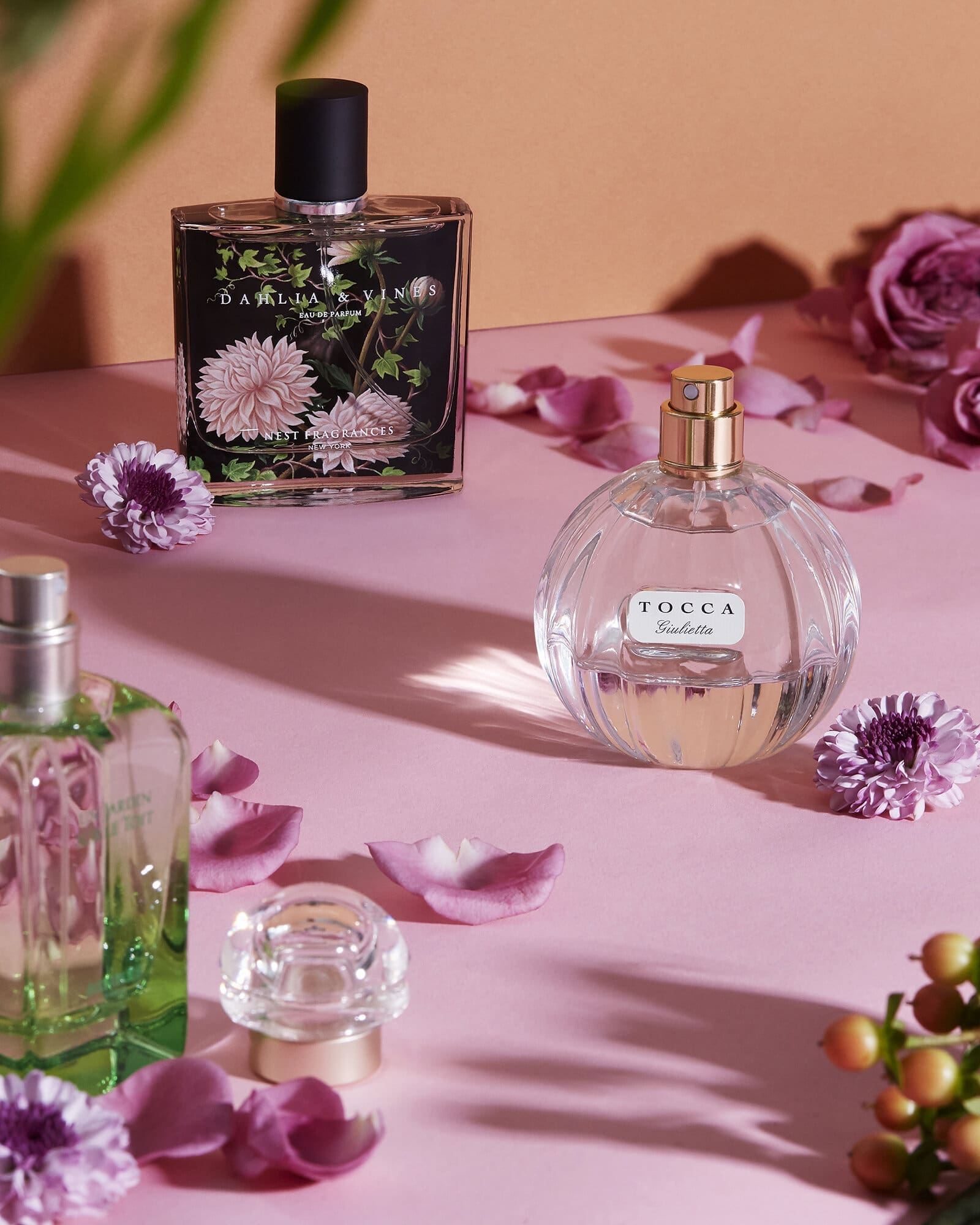
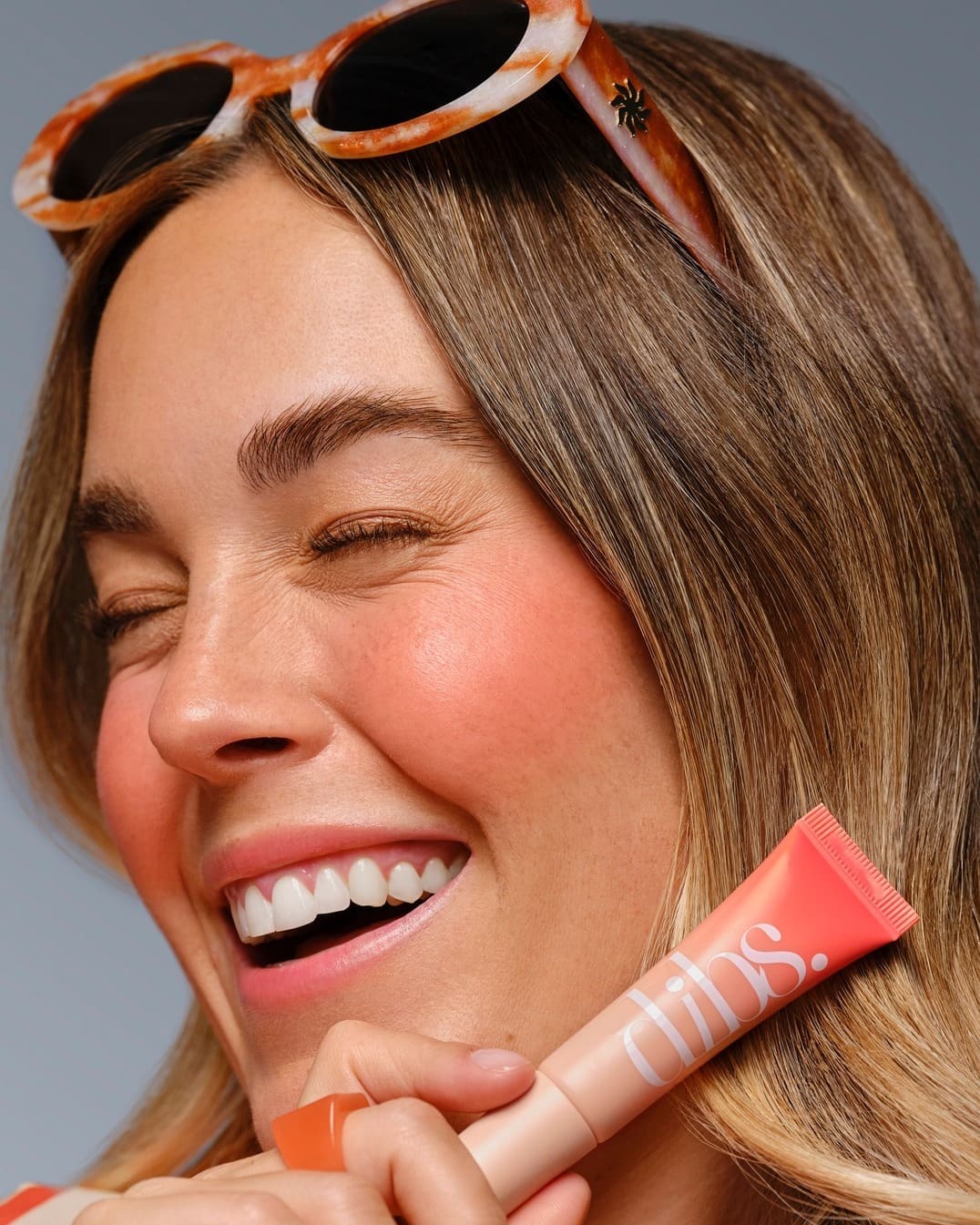
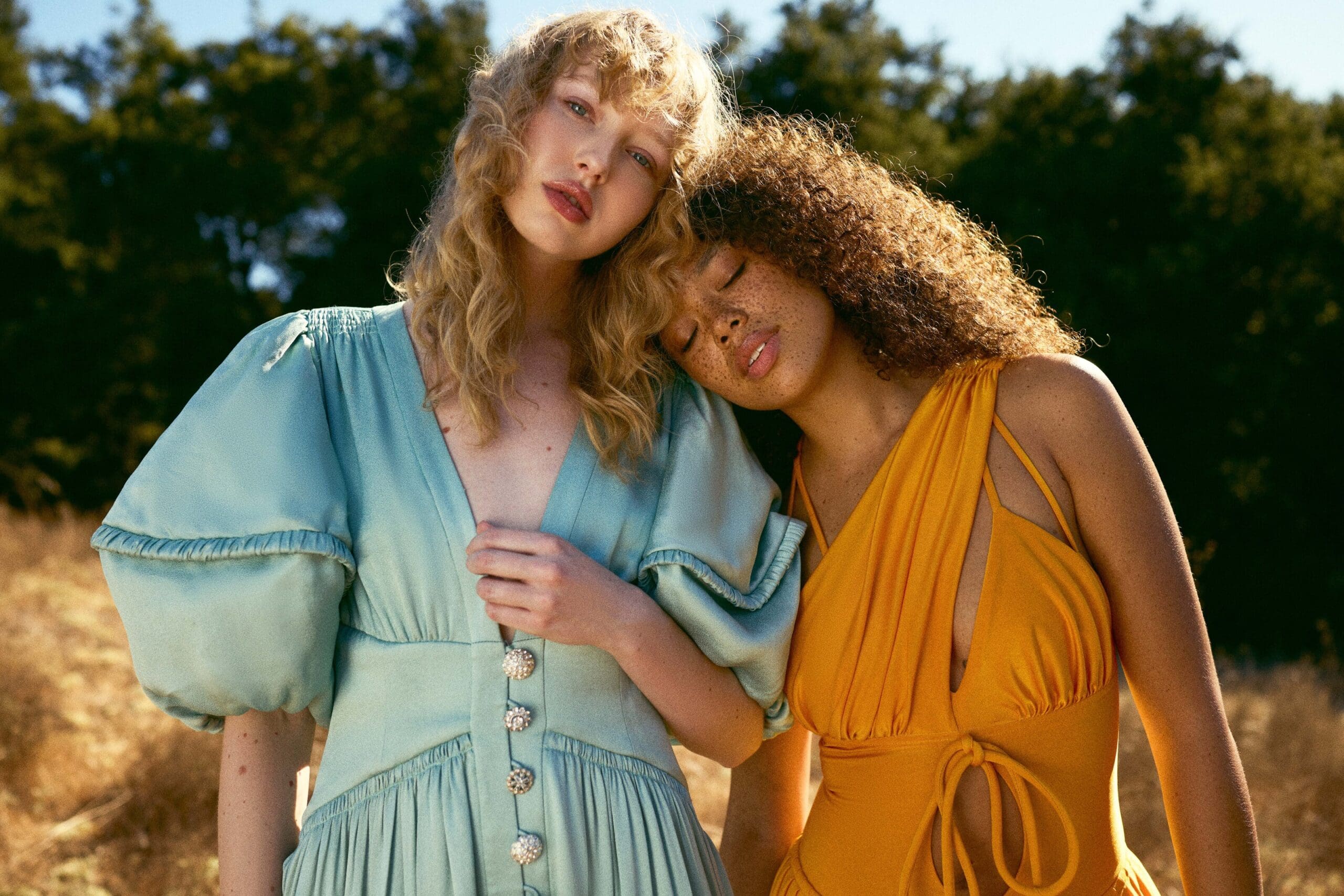
Choosing the right skincare photographer can directly influence how customers perceive your formulas, packaging, ingredient story, and brand credibility. In this guide, we break down exactly what skincare brand owners, marketing teams, and creative directors should look for when hiring a skincare photographer for product launches, campaigns, eCommerce, social media, and paid advertising.
April 12, 2026
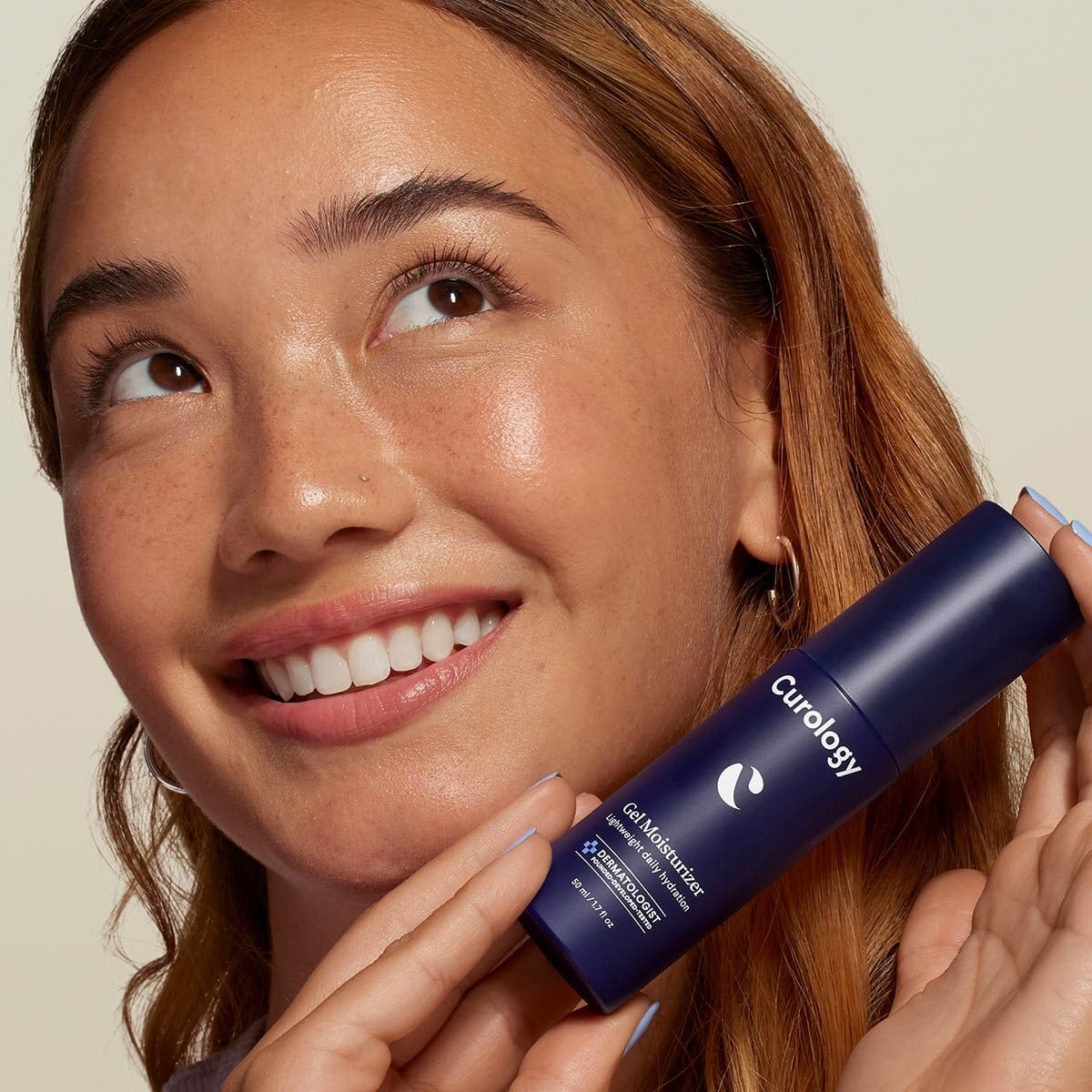
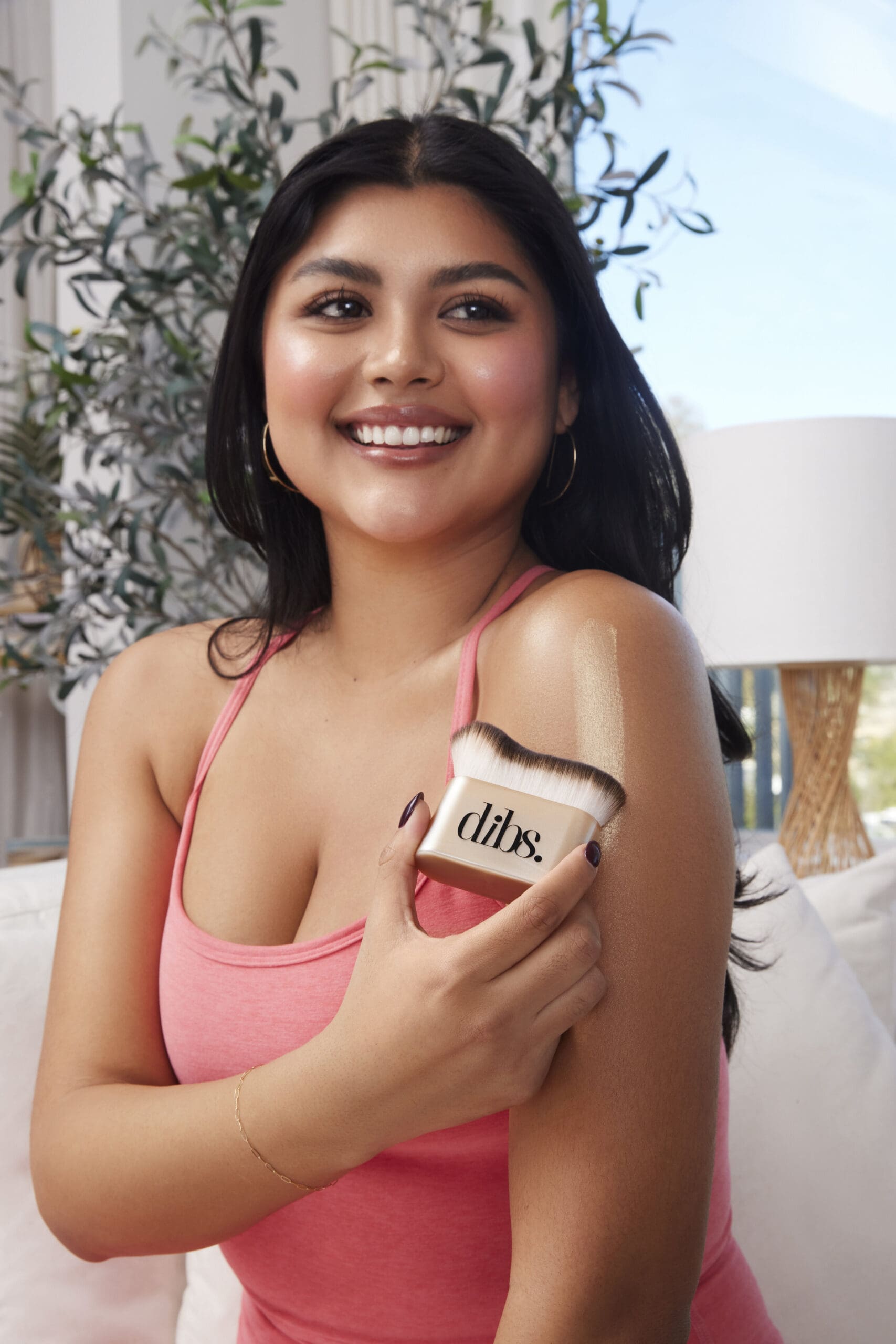
Lifestyle photography has become one of the most powerful tools brands use to communicate who they are and how they fit into people’s lives. In 2026, audiences are no longer drawn to perfectly staged images that feel distant or overly produced. They respond to moments that feel real, human, and relatable.
February 8, 2026
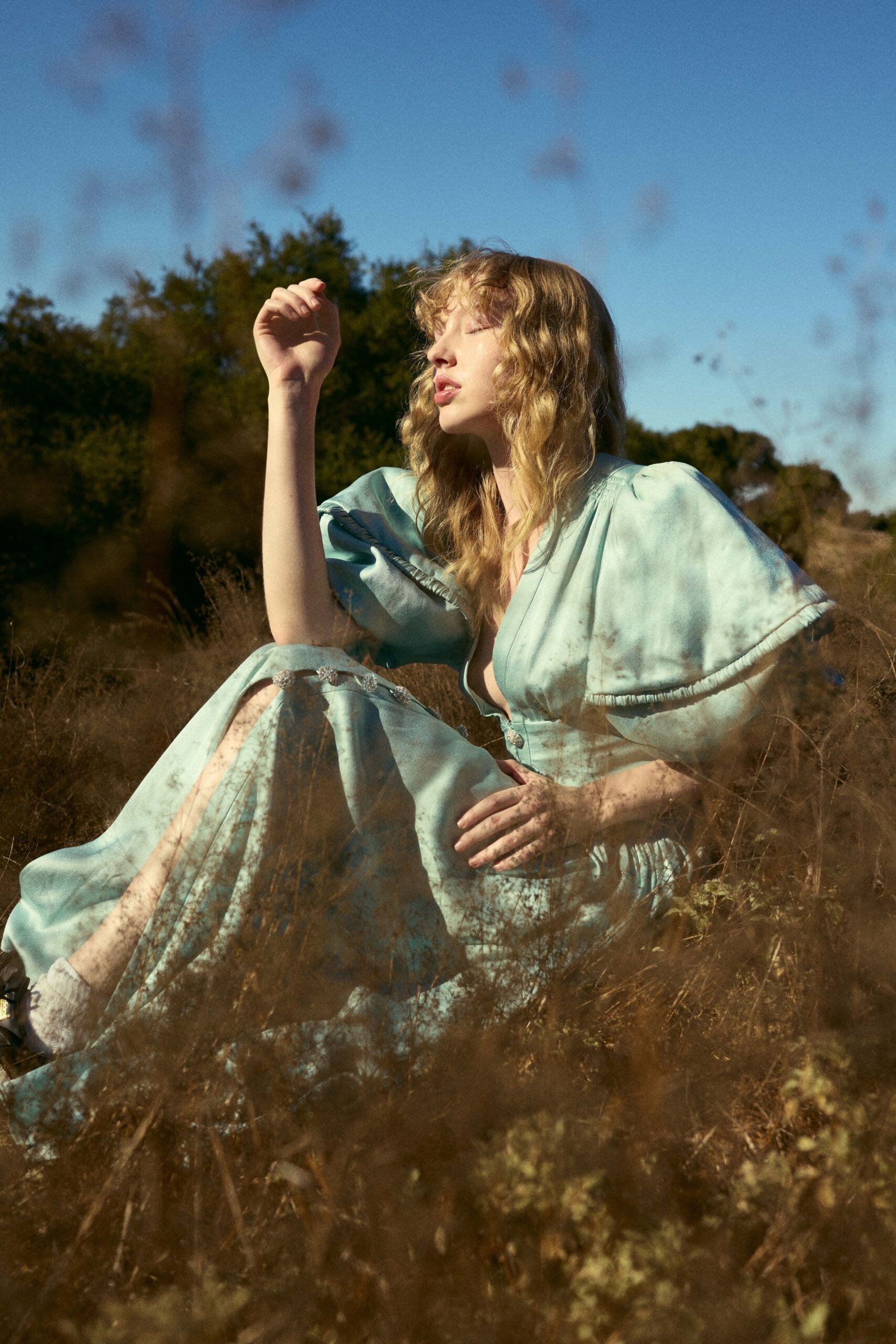
Skincare is personal. Unlike makeup or fashion, it sits directly on the skin and becomes part of daily routines, rituals, and self-care moments. Because of this intimacy, skincare photography in 2026 has moved away from narrow definitions of beauty and toward something far more meaningful: representation, trust, and authenticity.
February 8, 2026
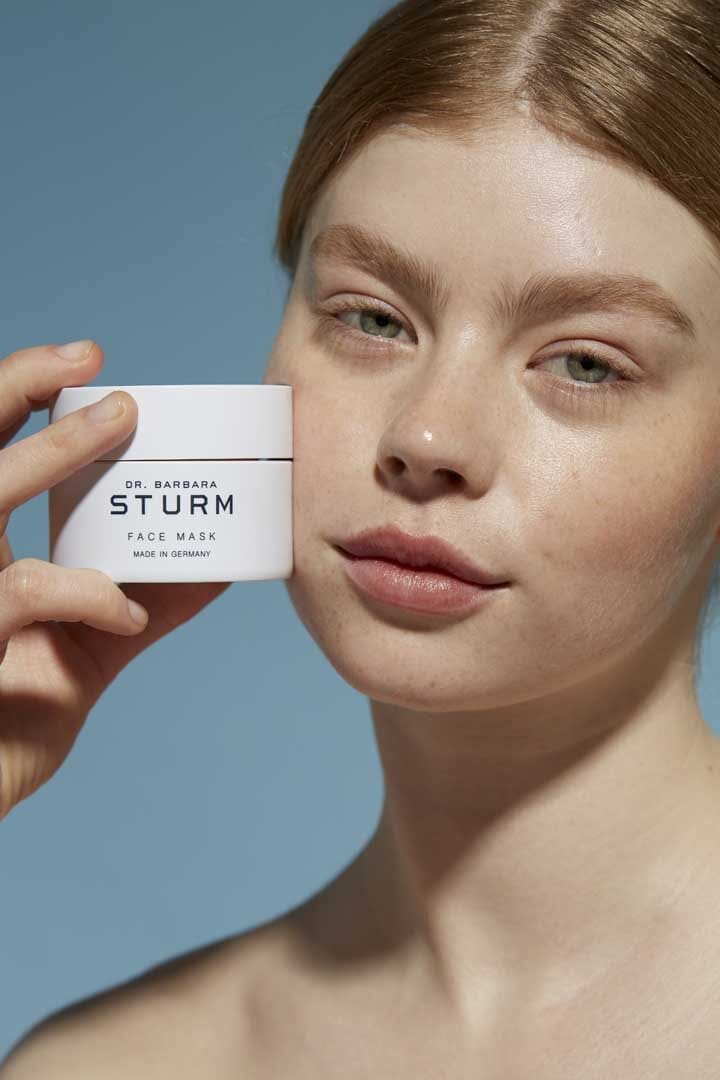
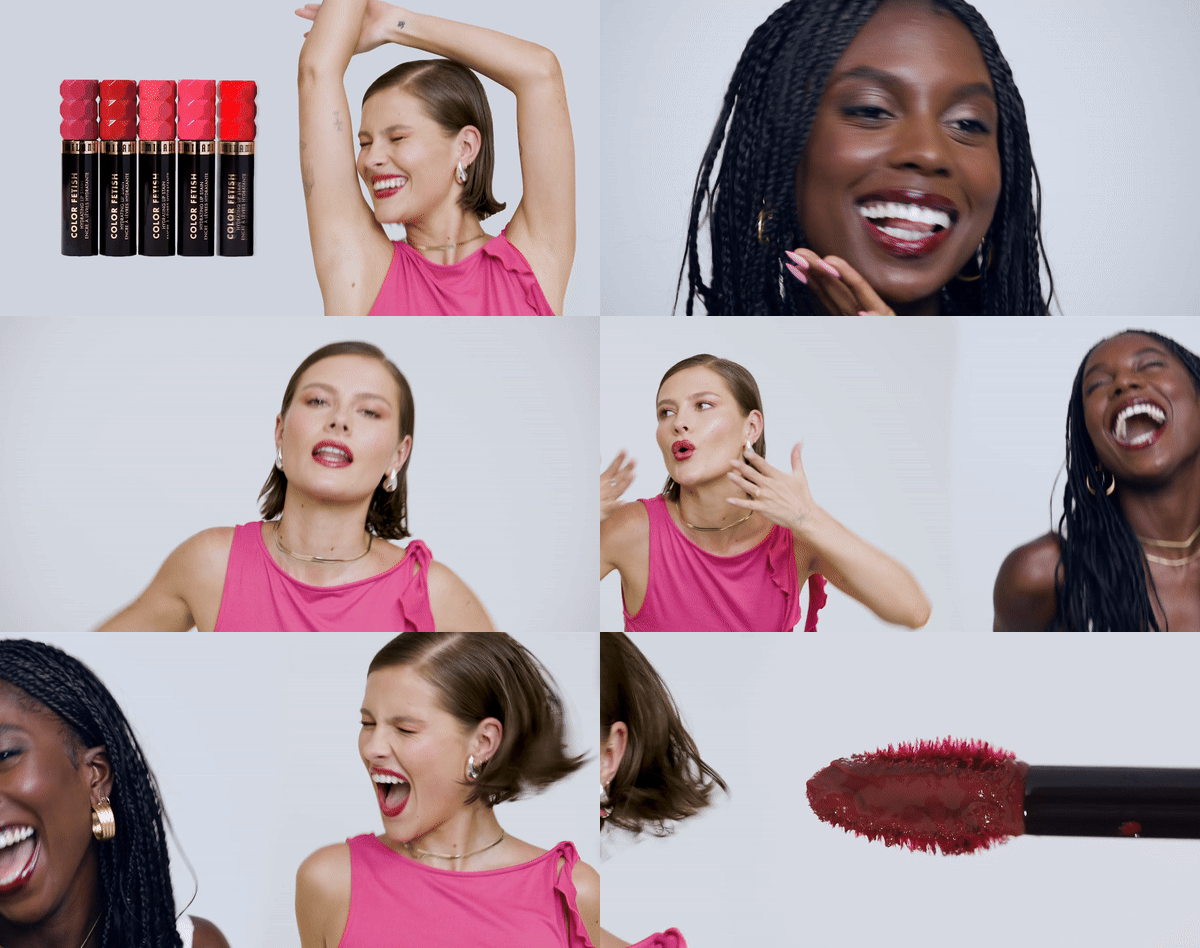
The beauty industry has always been shaped by culture, technology, and shifting consumer values. In 2026, cosmetics photography and beauty photography are evolving faster than ever, driven by a demand for authenticity, inclusivity, movement, and connection. Brands are no longer chasing perfection—they’re chasing relatability, trust, and emotion.
February 8, 2026