
Planning a Beauty or Skincare Photoshoot in Los Angeles? What Brands Need to Know
Los Angeles is one of the most competitive and creative markets in the world for beauty, skincare, cosmetics, haircare, wellness, and personal care brands.
It is also one of the best places to produce a beauty campaign.
From experienced models and specialized beauty crews to studios, locations, stylists, makeup artists, hair professionals, producers, and commercial photographers, Los Angeles gives brands access to an enormous creative ecosystem.
But having access to great talent does not automatically result in a great campaign.
If you are a beauty brand planning a photoshoot in Los Angeles, choosing the right beauty photographer in Los Angeles — and approaching the production strategically — can make a significant difference to both the quality and usefulness of the final content.
Whether you are launching a skincare product, refreshing your cosmetics imagery, creating a haircare campaign, or building a new library of content for your website and advertising, here is what brands should consider before planning a beauty photoshoot in LA.
Why Do Beauty and Skincare Brands Shoot Campaigns in Los Angeles?
Los Angeles has long been a center for advertising, entertainment, fashion, beauty, and commercial production.
For beauty brands specifically, the city offers access to specialists who understand the unique requirements of photographing:
- Skincare
- Cosmetics
- Haircare
- Fragrance
- Wellness products
- Personal care
- Beauty tools
- Supplements and lifestyle products
This concentration of creative talent makes it possible to build highly specialized teams around a campaign.
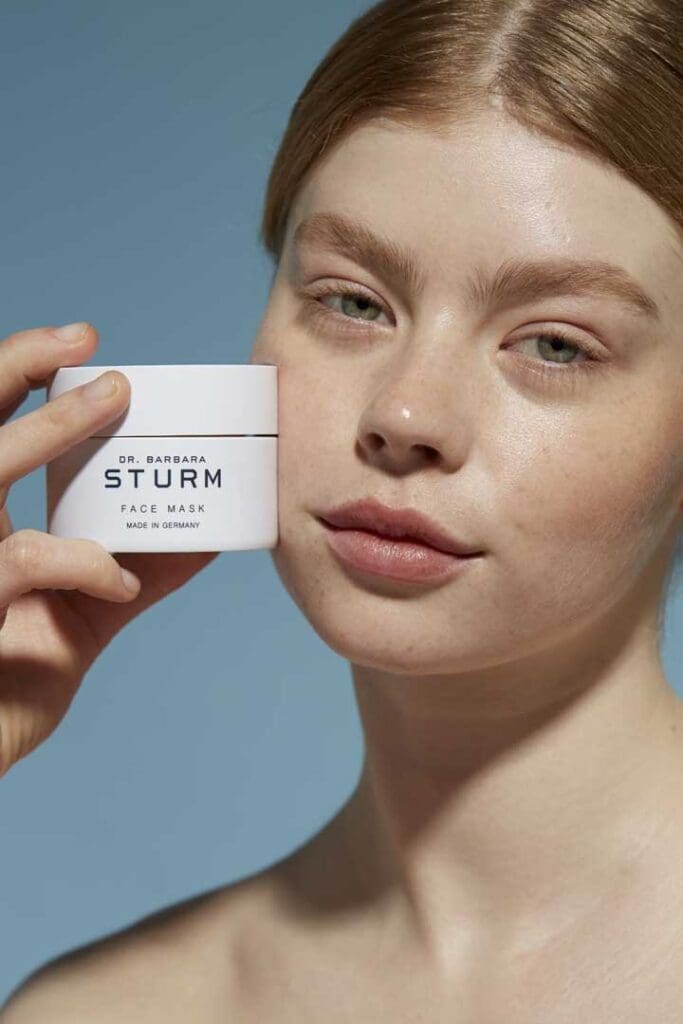
A skincare shoot, for example, might require a photographer experienced in real skin and close-up beauty photography, alongside a makeup artist who understands natural skin preparation and a retoucher who knows how to preserve texture.
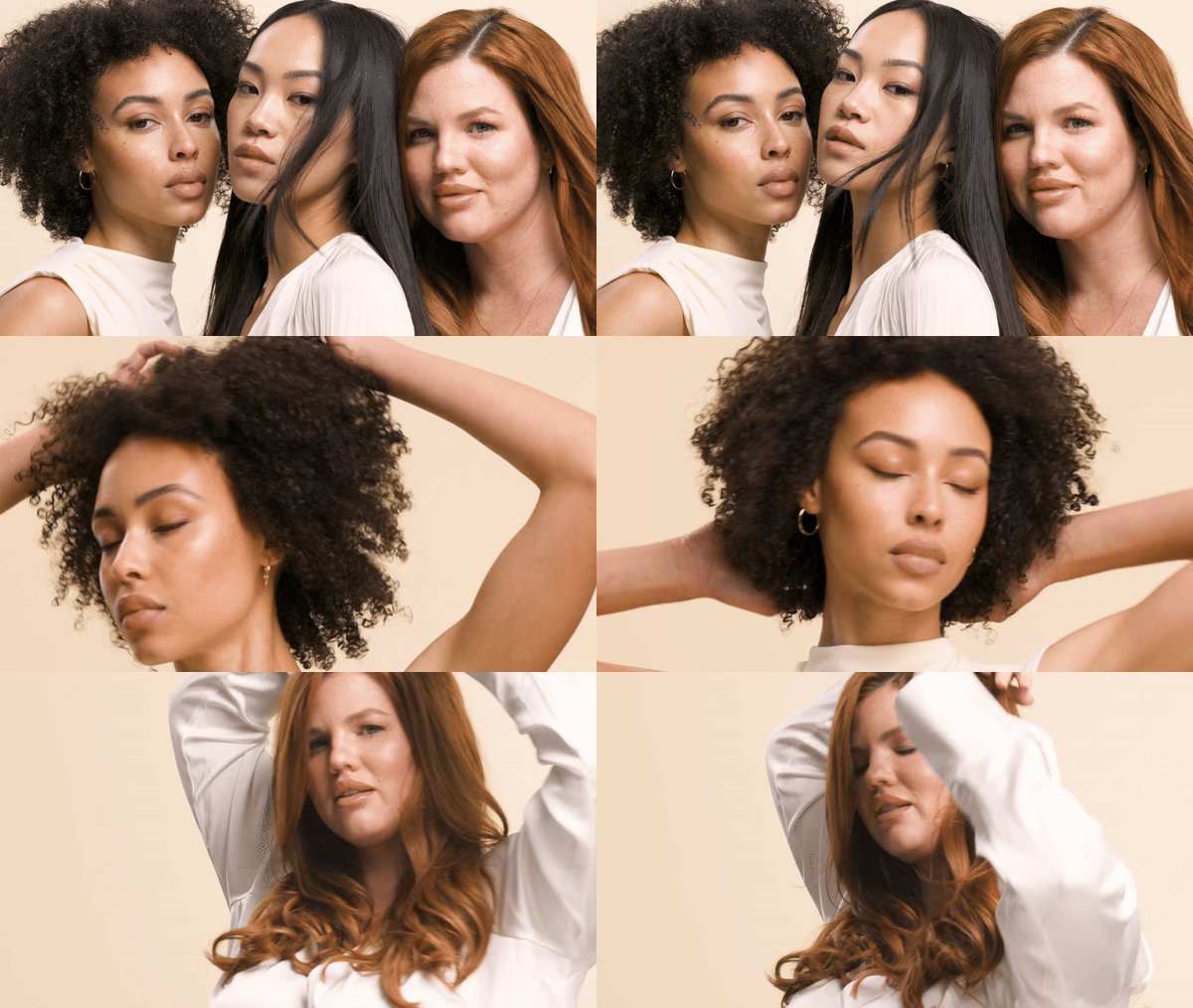
A haircare campaign may require completely different expertise in lighting, movement, styling, and capturing shine.
Finding a Los Angeles beauty photographer who understands these differences is an important starting point.
What Should a Brand Prepare Before a Beauty Photoshoot?
One of the best ways to get more from a commercial beauty production is to clearly define what the shoot needs to accomplish before production begins.
A photographer should know whether the primary goal is:
- Launching a new product
- Refreshing a website
- Creating eCommerce content
- Producing a seasonal campaign
- Building paid advertising assets
- Creating social media content
- Supporting a retail launch
- Repositioning the brand
- Introducing new packaging
- Building a long-term content library
These objectives influence everything from casting and lighting to shot lists and image orientation.
A skincare brand launching a hero serum may need close-up beauty portraits, product-in-hand photographs, texture imagery, product still life, application shots, and lifestyle images.
A cosmetics brand launching a highly pigmented product may place much greater emphasis on color, makeup detail, product application, and striking campaign portraits.
The clearer the commercial objective, the more intentional the photography can become.
How Do You Choose the Right Beauty Photographer in Los Angeles?
A photographer’s portfolio is obviously important, but brands should look deeper than whether they simply like the images.
When hiring a beauty photographer in LA, consider whether the photographer understands your particular category.
Look for experience photographing areas such as:
- Skincare and real skin
- Cosmetics and makeup
- Hair and hair movement
- Beauty products
- Fragrance
- Lifestyle beauty
- Product-in-hand imagery
- Commercial advertising campaigns
The photographer should also understand how imagery needs to function commercially.
A beautiful editorial image may work perfectly as a campaign hero but poorly on an eCommerce product page.
Likewise, a clean product photograph may be essential for conversion but insufficient for building an emotional brand story.
The strongest beauty photographers understand how these different types of imagery work together.
Why Real Skin Matters in Skincare and Beauty Photography
Beauty advertising is changing.
Consumers have become much more aware of excessive retouching, filters, AI-generated perfection, and unrealistic portrayals of skin.
For skincare brands in particular, trust matters.
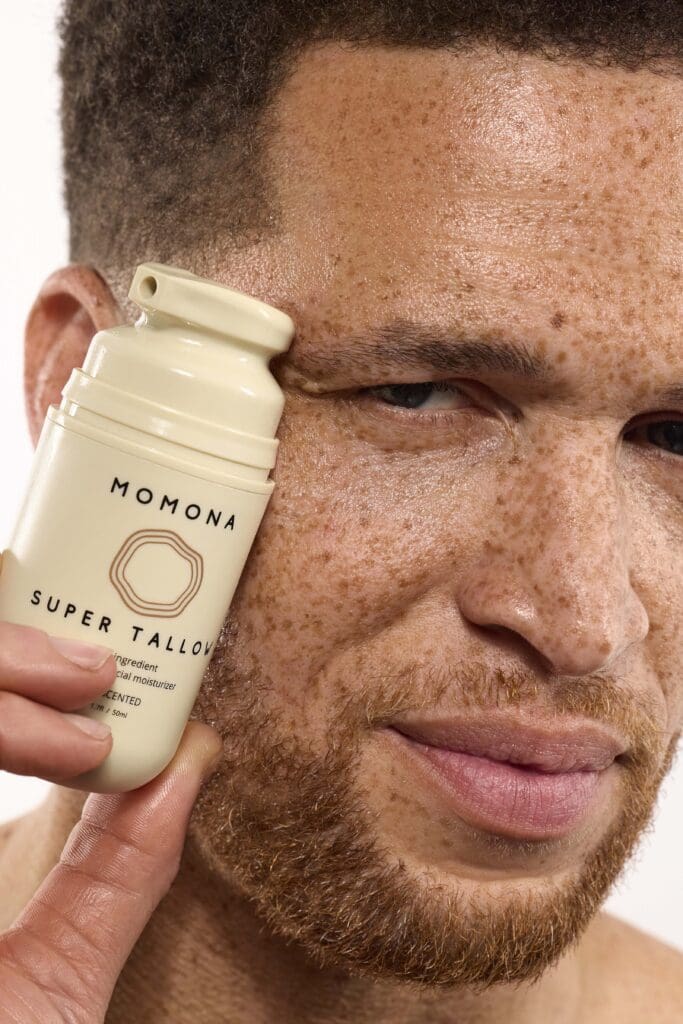
Customers want to see skin that feels believable.
That does not mean beauty photography should stop being polished. It means the photographer and retoucher need to find a balance between creating elevated commercial imagery and preserving the characteristics that make skin look human.
That can include:
- Pores
- Fine lines
- Freckles
- Natural texture
- Subtle variations in tone
- Individual characteristics
Lighting becomes incredibly important here.
A photographer experienced in skincare photography in Los Angeles should know how to use light to make skin look healthy and luminous without relying on excessive post-production to manufacture the result later.
Minimal, thoughtful retouching can help a skincare brand communicate something increasingly valuable: confidence in real skin.
What Makes Skincare Photography Different From General Product Photography?
Skincare products present a unique set of photographic challenges.
The photographer may need to capture:
- Glass bottles
- Metallic components
- Reflective caps
- Pumps and droppers
- Transparent packaging
- White packaging
- Creams
- Serums
- Oils
- Gels
- Foams
- Lotions
Every surface interacts with light differently.
Then there is the formula itself.
A skincare texture photograph should help the customer understand whether a product feels lightweight, rich, creamy, silky, translucent, glossy, refreshing, or luxurious.
That requires careful control of lighting, styling, surfaces, and composition.
For a brand searching for a skincare product photographer in Los Angeles, relevant beauty experience can therefore be considerably more valuable than general product photography experience alone.
How Important Is Casting for a Los Angeles Beauty Campaign?
Casting can completely change how a beauty campaign feels.
Before choosing models, brands should consider who their actual customers are and who they want to connect with.
That can mean considering:
- Age
- Skin tone
- Hair type
- Personal style
- Facial features
- Brand demographics
- Personality
- Energy on camera
Representation should feel intentional rather than performative.
The right model should make sense for the brand, the product, and the audience.
For skincare campaigns especially, casting people with distinctive, believable skin can make imagery considerably more compelling than attempting to create artificial perfection.
Why Hair, Makeup, and Styling Matter in Beauty Photography
A strong beauty campaign is rarely the work of one person.
Photography, makeup, hair, styling, art direction, production, and retouching all contribute to the final image.
The closer the camera gets to a model, the more every detail matters.
Makeup needs to work with the lighting.
Hair needs to hold its shape while still feeling natural.
Wardrobe and accessories need to complement the product rather than distract from it.
Skin preparation can dramatically influence how skincare imagery photographs.
An experienced commercial beauty photographer in Los Angeles should understand how all these elements interact and collaborate effectively with the wider creative team.
Should Beauty Brands Shoot Product and Model Photography Together?
For many brands, yes.
Combining product and model photography can make production significantly more useful.
A single beauty campaign might produce:
Clean Product Photography
For eCommerce, product pages, catalogs, and retail.
Creative Product Still Life
For campaign imagery, advertising, social media, and website banners.
Product-in-Hand Photography
To show scale while creating a stronger human connection.
Beauty Portraits
For campaign storytelling, advertising, social media, and PR.
Product Application Images
To demonstrate how the product fits into a routine.
Lifestyle Beauty Photography
To place the product within a believable environment or moment.
Planning these assets together helps create visual consistency and gives marketing teams a much broader content library.
Beauty Photography Should Be Planned for Website, Social, and Advertising
One of the most important questions before a shoot is:
Where will these photographs actually be used?
A brand may need the same campaign to support Instagram, TikTok, Meta advertising, email, eCommerce, website banners, retailer pages, PR, and print.
Each has different requirements.
A website banner may require significant negative space for copy.
A paid social advertisement may need a vertical composition with immediate product recognition.
An eCommerce page may require clean, detailed imagery.
An Instagram carousel may benefit from tighter crops and more human interaction.
A commercial photographer who understands these applications can compose photographs with future usage in mind.
That means brands receive more than attractive images. They receive useful marketing assets.
What Should Be on a Beauty Brand’s Photoshoot Shot List?
Every campaign is different, but a comprehensive beauty photography shot list may include:
- Hero campaign images
- Close-up beauty portraits
- Product-in-hand photographs
- Product application
- Skin detail
- Individual product shots
- Product group shots
- Packaging details
- Texture and swatch photography
- Ingredient-inspired imagery
- Lifestyle moments
- Horizontal website banners
- Vertical social content
- Images with negative space for advertising copy
Brands should also think beyond what they need immediately.
Capturing additional variations during the same production can help extend the lifespan of a campaign and reduce the need for another shoot several months later.
How Can Beauty Brands Get More Content From One Photoshoot?
Content efficiency has become increasingly important.
Rather than thinking in terms of ten final photographs, brands can think in terms of an entire visual library.
Changing relatively small elements can create substantial variety:
- Wardrobe
- Makeup
- Backgrounds
- Lighting
- Props
- Model combinations
- Product combinations
- Camera orientation
- Cropping
- Expression
- Product interaction
The goal is not to create dozens of nearly identical images.
It is to create enough meaningful variation that the marketing team can tell different stories while maintaining a consistent visual identity.
Questions to Ask a Beauty Photographer Before Booking a Shoot in Los Angeles
Before hiring a photographer, brands should consider asking:
- Have you worked with skincare, cosmetics, haircare, or beauty brands before?
- Can you photograph both models and products?
- What is your approach to photographing real skin?
- How do you approach beauty retouching?
- Can you help develop a shot list?
- Can the shoot produce assets for eCommerce, social media, websites, and advertising?
- Do you have experience working with diverse talent and skin tones?
- Can you photograph product textures and packaging?
- How do you approach lighting for beauty close-ups?
- How do you maximize the amount of useful content created during a shoot?
The answers can help determine whether a photographer is simply capable of executing the brief or can become a genuine creative partner.
Final Thoughts: Finding the Right Beauty Photographer in Los Angeles
Los Angeles gives beauty brands access to an extraordinary range of creative talent.
But successful beauty photography still comes down to understanding the brand, the product, the audience, and the purpose behind every image.
The right beauty photographer in Los Angeles should be able to move comfortably between skin, products, people, textures, lifestyle, and campaign storytelling while keeping the brand’s commercial objectives at the center of the production.
For skincare, cosmetics, haircare, fragrance, wellness, and personal care brands, that combination of creative and commercial thinking can turn a photoshoot into something much more valuable than a collection of beautiful photographs.
It can create a visual language that customers recognize, trust, and remember.
