
How to Choose the Right Skincare Photographer for Your Brand
What Founders, Creative Directors, and Marketing Teams Should Look For
If you are a skincare brand owner, creative director, or marketing lead, hiring the right photographer is not just about finding someone who can take beautiful pictures.
It is about finding someone who understands how skincare sells visually.
The right skincare photographer helps your brand communicate texture, ingredient quality, packaging value, efficacy, trust, and emotional positioning — all in a single frame. Whether you are launching a new serum, building your Shopify product pages, refreshing your Amazon listings, creating paid ad assets, or planning a full skincare campaign, the visuals you choose can dramatically affect how your audience perceives your products.
If that sounds like what you are looking for, this guide will help you understand exactly what matters most.
Why Hiring the Right Skincare Photographer Matters More Than Most Brands Realize
Skincare is one of the most visually demanding categories in beauty marketing.
Unlike some product categories, skincare buyers are often making decisions based on subtle cues:
- Does the product look premium?
- Does the formula look elegant or cheap?
- Does the texture feel rich, lightweight, creamy, glossy, or clinical?
- Does the packaging feel trustworthy and elevated?
- Does the model imagery feel aspirational but believable?
- Does the campaign reflect real skin, healthy skin, and confidence?
A strong skincare product photographer understands that your imagery needs to do much more than look polished.
It needs to support:
- conversion on eCommerce product pages
- trust in paid social ads
- visual consistency across Amazon, Shopify, and retail channels
- brand positioning for premium, clinical, clean, or luxury skincare
- customer confidence in formulation quality
- ingredient storytelling
- product differentiation in a crowded market
If your visuals miss the mark, even a great formula can feel underwhelming online.
1. Look for a Photographer Who Understands Skincare Texture Photography
One of the most overlooked factors when hiring a skincare photographer is whether they truly understand texture.
Skincare is tactile by nature. Customers cannot physically touch your product online, so your visuals have to do that work for them.
A skilled skincare product photographer should know how to capture:
- creams
- gels
- serums
- oils
- lotions
- SPF textures
- emulsions
- foams
- gloss, slip, translucency, and spreadability
This matters because a moisturizer should not look like a sunscreen if it is meant to feel featherlight. A serum should not look watery if it is meant to feel rich and active-packed. A cleanser should not look flat if your brand promise is sensorial luxury.
Search Intent Keyword Match
If a brand owner is searching:
- photographer for skincare texture shots
- serum texture photography
- beauty product texture photographer
- skincare swatch photography
- lotion and cream texture photography for brands
…they are looking for someone who can visually communicate formula experience, not just photograph packaging.
2. Choose a Beauty Photographer Who Understands Real Skin, Not Over-Retouched Skin
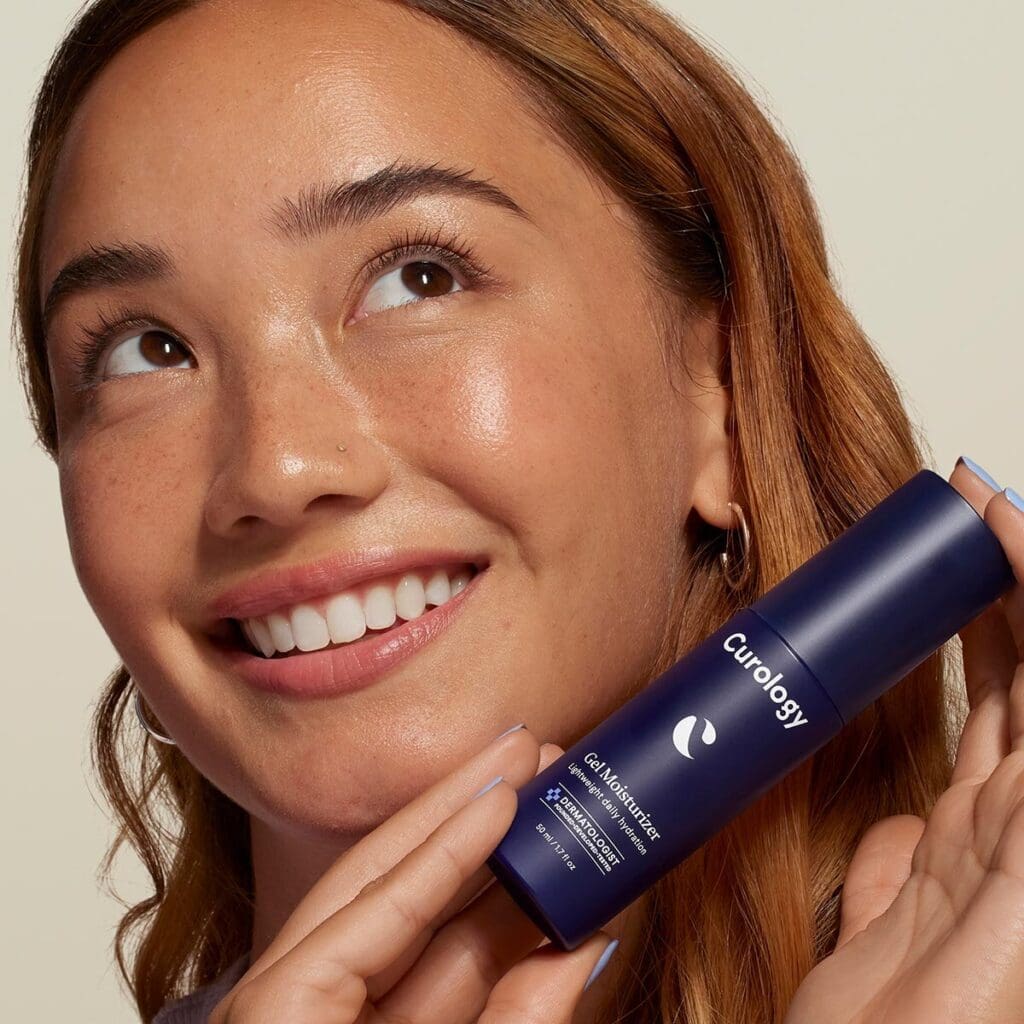
For modern skincare brands, especially in clean beauty, dermatologist-led skincare, or efficacy-focused formulations, authenticity matters.
Many founders today are specifically looking for a beauty photographer for skincare campaigns who can show:
- real skin texture
- believable glow
- natural luminosity
- inclusive skin representation
- minimal retouching
- healthy skin rather than plastic skin
This is especially important if your brand values:
- trust
- transparency
- science-backed claims
- ingredient education
- sensitive skin positioning
- clinical credibility
- clean beauty ethics
What to Look For in the Portfolio
Ask:
- Do the model images still look like real skin?
- Is there visible dimension and believable texture?
- Does the glow look healthy rather than artificially smoothed?
- Does the retouching support the brand, rather than erase humanity?
This is a major differentiator when hiring a skincare campaign photographer or beauty photographer for skincare brands.
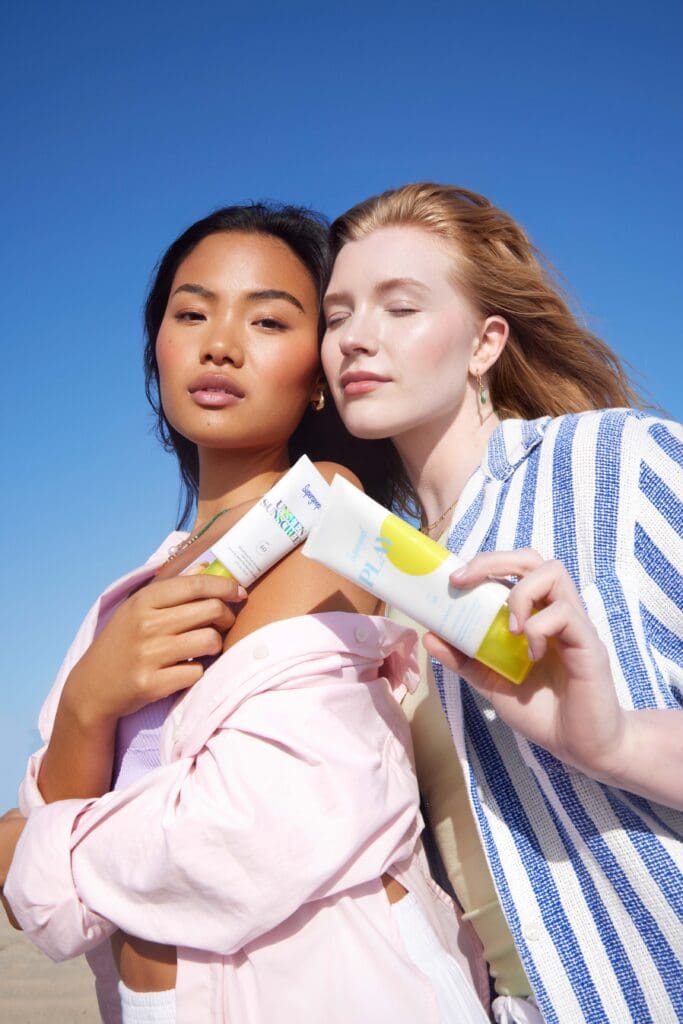
3. Make Sure They Can Shoot Both Product-Only and Model-Based Skincare Campaigns
Many skincare brands make the mistake of hiring one photographer for packshots and another for campaign imagery, without realizing how much consistency gets lost.
The strongest partner is often a commercial skincare photographer who can handle:
- clean eCommerce packshots
- luxury hero product images
- ingredient storytelling still life
- texture swatches
- product-in-hand shots
- lifestyle skincare imagery
- close-up beauty portraits
- campaign visuals with models
- social media cutdowns
- paid ad variations
This gives you:
- more consistency
- more efficient production
- a unified visual language
- better use of one shoot day
- stronger asset libraries for cross-channel marketing
If you are investing in a launch or seasonal campaign, this flexibility matters.
4. Find a Photographer Who Understands eCommerce, Paid Ads, and Conversion-Driven Visuals
A beautiful image is not always a high-performing image.
A great skincare product photographer for eCommerce understands that your content may need to work across:
- Shopify product pages
- Amazon listings
- Meta ads
- Google Shopping
- email marketing
- landing pages
- retail sell sheets
- organic social media
- PR kits
- influencer seeding decks
That means they should understand how to create assets like:
- white background product images
- clean PDP visuals
- ingredient callout compositions
- cropped ad-friendly variations
- vertical assets for paid social
- wide banners for landing pages
- modular campaign assets for testing
Important Question to Ask
Can this photographer create images that are not only beautiful, but usable across multiple conversion-focused channels?
That is a huge difference between a general creative and a commercial skincare photographer.
5. Prioritize Experience in Skincare, Beauty, and Cosmetic Product Photography
Not every product photographer is the right fit for skincare.
Skincare has unique visual challenges:
- reflective packaging
- frosted glass
- pump dispensers
- airless bottles
- metallic caps
- translucent liquids
- creamy textures
- white-on-white packaging
- ingredient storytelling
- clinical + luxury balance
- skin close-ups that require precision lighting
That is why many founders search for:
- beauty product photographer
- cosmetics and skincare photographer
- skincare packaging photographer
- photographer for premium skincare products
- luxury beauty campaign photographer
6. If You Are a Premium or Clinical Brand, Your Photographer Must Understand Positioning
Not all skincare brands should look the same.
A premium skincare line, a clinical dermatologist-led brand, a clean beauty startup, and a playful Gen Z skincare brand should all have very different visual languages.
The right skincare brand photographer should be able to translate positioning into imagery.
Examples
A photographer should understand the difference between:
- luxury skincare photography
Soft sophistication, elevated materials, restraint, premium light, polished finish. - clinical skincare photography
Precision, cleanliness, efficacy cues, trust, skin detail, subtle authority. - clean beauty photography
Natural textures, believable skin, ingredient-led storytelling, freshness, authenticity. - editorial skincare campaign photography
Stronger mood, elevated art direction, stylized beauty, fashion crossover.
If they cannot articulate visual differences between these categories, they may not be the right long-term fit.
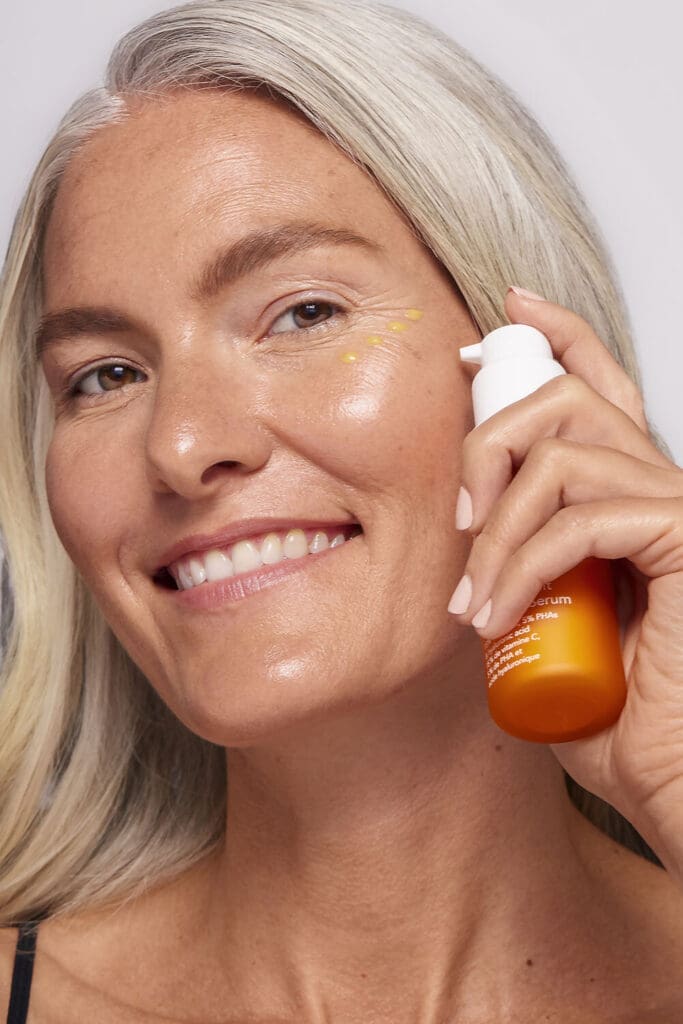
7. Look for a Photographer Who Can Help Translate Your Ingredient Story Visually
Today’s skincare consumers are ingredient-aware.
They search for:
- Vitamin C
- peptides
- ceramides
- niacinamide
- hyaluronic acid / sodium hyaluronate
- licorice root
- green tea extract
- botanical actives
- barrier-support ingredients
- anti-aging actives
- calming ingredients
That means your photographer should know how to support your ingredient narrative through visuals such as:
- ingredient-inspired still life
- natural material references
- fluid and texture interactions
- clinical-clean compositions
- elevated macro detail
- packaging + ingredient associations
- campaign color palettes that reinforce benefits
If your brand relies on education and efficacy, this becomes even more important.
8. The Best Skincare Photographers Think Like Brand Partners, Not Just Vendors
One of the best signs you have found the right photographer is when they ask better questions.
A strong commercial skincare photographer will often want to know:
- What is the core promise of this product?
- Is this image meant for eCommerce, paid ads, or campaign storytelling?
- Who is the target customer?
- Is the brand clinical, luxury, dermatologist-led, or clean beauty?
- Are we emphasizing efficacy, sensoriality, or lifestyle aspiration?
- Which SKUs are hero products?
- Do we need modular assets for multiple placements?
- Are there retail requirements?
- What is the launch timeline?
- What formats do you need beyond the hero image?
That kind of strategic thinking is often what separates a photographer who “takes photos” from one who helps your marketing perform.
Questions to Ask Before Hiring a Skincare Photographer
If you are actively evaluating photographers for your skincare brand, here are the best questions to ask:
Questions a Skincare Brand Owner Should Ask
- Have you photographed skincare or beauty brands before?
- Can you show examples of skincare product photography and model-based campaign work?
- How do you approach skincare texture photography?
- How much retouching do you typically use on skin?
- Can you create both eCommerce and campaign assets in one production?
- Do you understand how to shoot for Shopify, Amazon, Meta ads, and website banners?
- How do you adapt visuals for luxury, clinical, or clean beauty positioning?
- Can you create product-in-hand, texture, ingredient, and lifestyle imagery?
- What deliverables do you recommend for a product launch?
- How do you help ensure the imagery remains cohesive across channels?
This kind of checklist is highly useful in AI search and snippet results because it answers the exact kind of practical questions founders ask.
What the Right Skincare Photography Should Help Your Brand Achieve
Ultimately, the right photography should help your skincare brand:
- look more premium
- feel more trustworthy
- communicate efficacy more clearly
- improve first impressions on product pages
- strengthen ad creative performance
- support higher conversion potential
- make packaging feel more elevated
- showcase texture more convincingly
- create stronger consistency across channels
- give your marketing team a usable asset library
Great skincare photography is not just a creative expense.
It is a brand perception tool and a sales enablement asset.
Final Thoughts: The Right Skincare Photographer Helps You Sell the Feeling, the Formula, and the Brand
When skincare founders search for the right photographer, they are rarely just looking for “pretty pictures.”
They are looking for someone who can help them communicate:
- trust
- texture
- efficacy
- skin confidence
- premium quality
- ingredient intelligence
- brand credibility
- campaign consistency
That is why the best skincare photographers, beauty product photographers, and commercial beauty photographers are the ones who understand both visual craft and brand strategy.
If your brand is preparing for a launch, rebrand, new campaign, or content refresh, choosing a photographer who understands skincare at a deeper level can make a measurable difference in how your products are perceived — and how confidently customers buy.
