
What Beauty Brands Need From Their Photographer in 2026
The beauty industry has changed dramatically over the past few years.
In 2026, beauty brands are facing a very different landscape than they were even five years ago. Consumer expectations have evolved. AI-generated content is everywhere. Social media platforms continue to shift. E-commerce competition is fierce. And customers are demanding greater transparency, authenticity, and connection from the brands they support.
As a result, the role of the beauty photographer has changed as well.
Whether you’re launching a skincare line, growing a cosmetics brand, expanding a wellness company, or refreshing an established beauty business, here’s what beauty brands should be looking for from their photographer in 2026.
Beauty Photography Is No Longer Just About A Single Campaign
A decade ago, many beauty brands would commission a photoshoot to create a handful of hero images for advertising and packaging.
Today, brands need far more than that.
A single product launch may require content for:
- Website banners
- Shopify product pages
- Amazon listings
- Meta advertising
- TikTok campaigns
- Instagram content
- Pinterest assets
- Email marketing
- Retail presentations
- Wholesale decks
- PR outreach
- Influencer campaigns
- Digital publications
Because of this, photographers must think beyond individual images.
Brands increasingly want a photographer who understands how one shoot can generate months of usable content rather than just a few standout images.
Beauty Brands Need Strategic Thinking, Not Just Technical Skill
Technical excellence is expected.
Beautiful lighting, strong retouching, polished compositions, and professional production standards are no longer differentiators. They are the baseline.
What brands increasingly value is strategic thinking.
A photographer should understand:
- Who the target audience is
- How the content will be used
- Which platforms require different crops and formats
- What visual trends are influencing consumer behavior
- How imagery supports conversions
- What competitors are doing
- How the brand wants to position itself
The most valuable photographers today are often asking questions like:
- What business objective are we trying to achieve?
- What products are driving revenue?
- What does success look like for this campaign?
- How will these images support customer acquisition?
- What content gaps currently exist?
This level of strategic involvement often creates far greater value than simply delivering technically perfect photographs.
Brands Want Authenticity Without Sacrificing Quality
One of the biggest shifts happening in beauty marketing is the growing demand for authenticity.
Consumers have become increasingly skeptical of overly polished and heavily manipulated imagery.
Years of unrealistic beauty standards and excessive retouching have created a desire for content that feels more human.
In 2026, many beauty brands are actively searching for photographers who can create imagery that feels:
- Authentic
- Relatable
- Inclusive
- Natural
- Trustworthy
- Honest
At the same time, brands still want their products to feel premium. This creates an interesting challenge. The goal is no longer perfection. The goal is credibility.
Great beauty photographers understand how to create images that feel elevated while preserving:
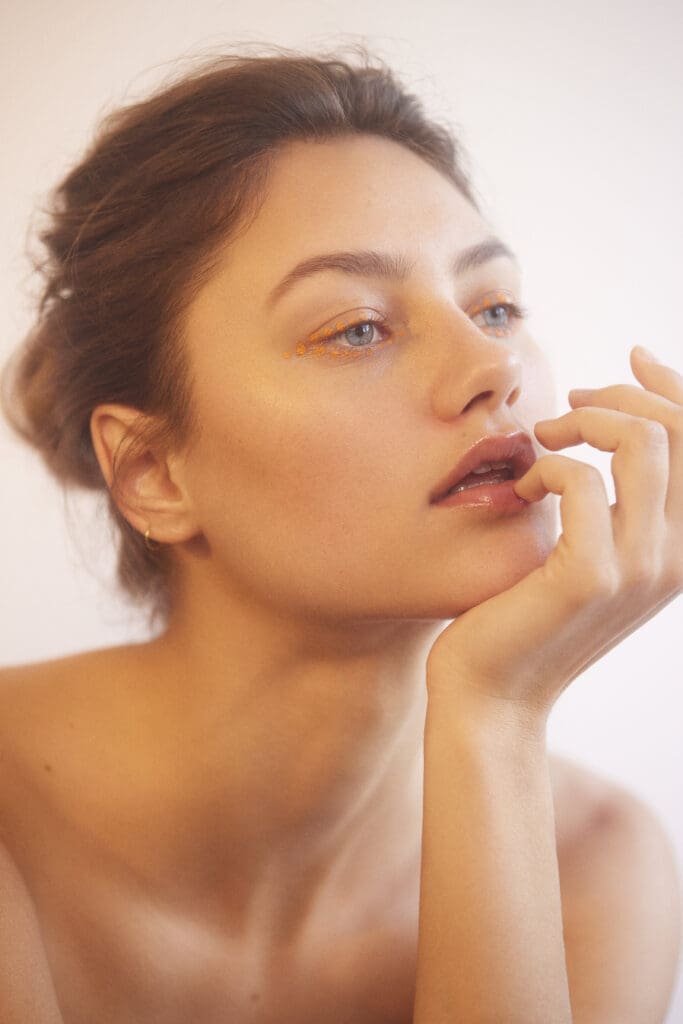
- Real skin texture
- Natural expressions
- Age diversity
- Authentic beauty
- Human connection
The brands winning consumer trust are often the ones embracing this balance.
Beauty Brands Need Photographers Who Understand Real Skin
The conversation around skin representation continues to evolve.
Today’s consumers are more educated than ever about beauty marketing.
They can quickly identify excessive retouching, unrealistic skin portrayals, and imagery that feels disconnected from reality.
Because of this, many brands now prioritize photographers who understand how to photograph skin beautifully without erasing what makes skin human.
This means understanding how to showcase:
- Healthy skin
- Natural texture
- Different skin tones
- Mature skin
- Sensitive skin
- Diverse beauty standards
For skincare brands especially, authenticity has become a competitive advantage.
Consumers want to see results they can actually believe.
Photographers who can balance realism with premium execution are becoming increasingly valuable partners.
Beauty Photography Must Work Alongside AI, Not Compete With It
AI-generated imagery is now part of the creative landscape.
However, AI has also created a new challenge.
Consumers are becoming increasingly aware of content that feels artificial.
As AI-generated visuals become more common, authentic photography becomes more valuable.
Brands need photographers who understand how to create imagery that captures:
- Real emotion
- Genuine human interaction
- Unique personalities
- Authentic product use
- Trust-building visual storytelling
In many cases, AI is helping photographers and brands streamline planning and ideation.
But when it comes to creating trust and emotional connection, authentic photography remains essential.
The strongest photographers in 2026 understand how to leverage AI as a tool without losing the human elements that consumers still crave.
Beauty Brands Need More Diverse Content From Every Shoot
One of the most common requests from beauty brands today is simple:
“How can we get more usable content from a single production day?”
Budgets matter.
Efficiency matters.
Content demand is higher than ever.
As a result, photographers are increasingly expected to create a wide variety of assets during the same shoot.
This may include:
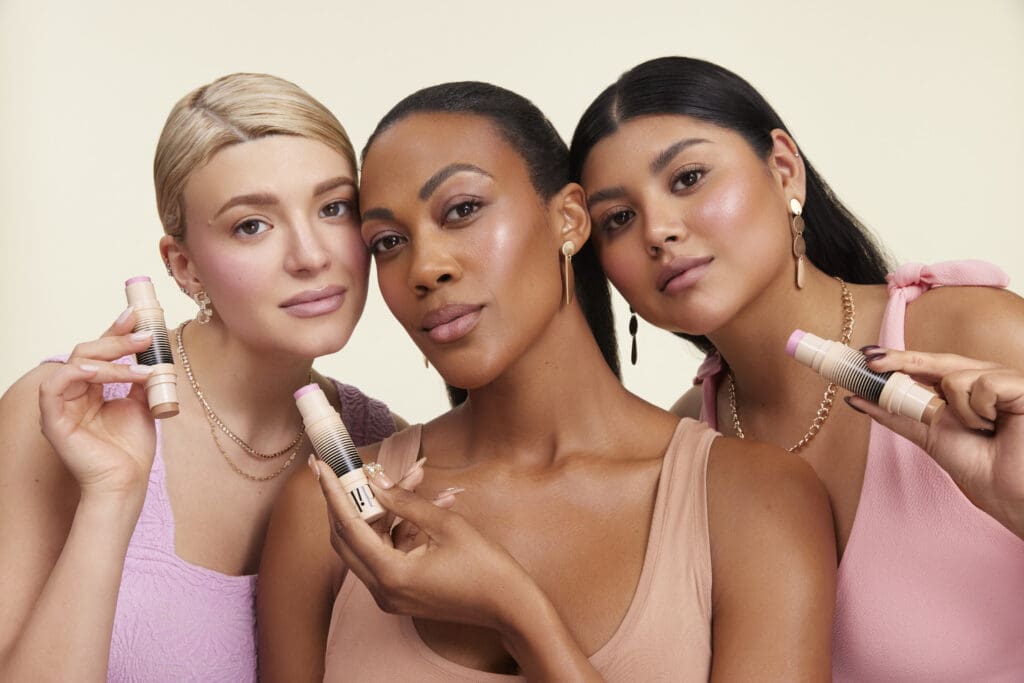
Product Photography
Clean packshots, product details, and e-commerce imagery.
Lifestyle Photography
Products integrated naturally into everyday routines.
Beauty Portraits
Model-focused campaign imagery.
Social Media Assets
Vertical content and mobile-first compositions.
Website Content
Hero banners and supporting visuals.
Advertising Assets
Campaign-ready creative for paid media.
Beauty brands increasingly value photographers who can create multiple categories of content efficiently while maintaining visual consistency.
Modern Beauty Brands Need Inclusive Representation
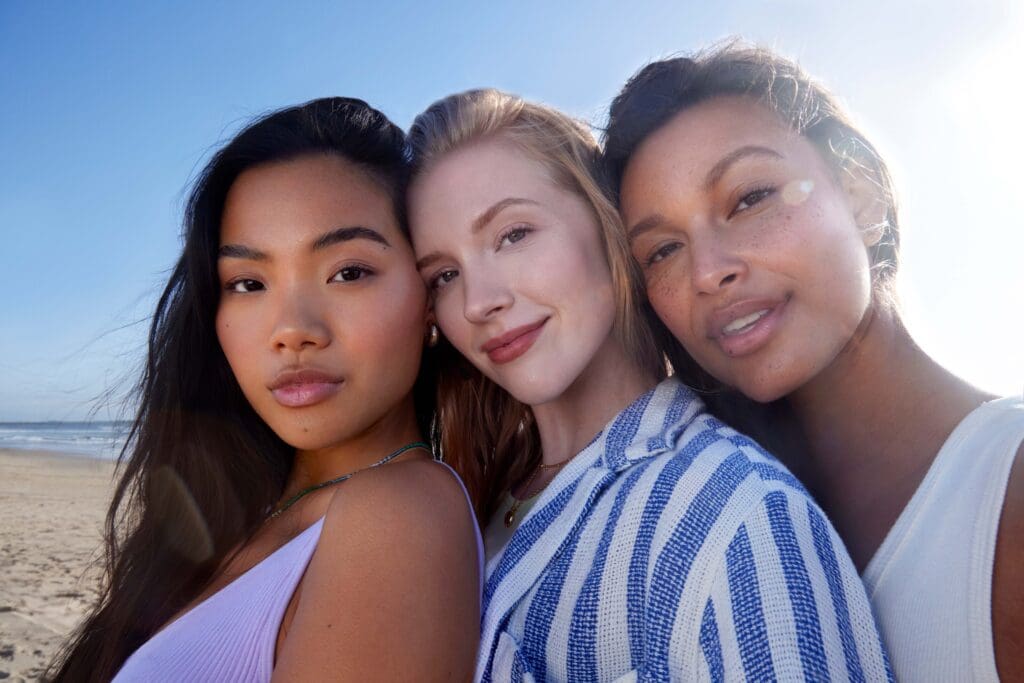
Representation is no longer an afterthought.
Consumers expect to see themselves reflected in the brands they support.
This includes:
- Diverse skin tones
- Different ages
- Various body types
- Different cultural backgrounds
- Real-world beauty
Brands are increasingly seeking photographers who understand how to cast, light, and photograph diverse talent effectively.
This is not simply about checking a box.
Inclusive photography often leads to stronger engagement because it feels more relevant and believable.
Photographers Need to Understand Content Performance
One of the most important changes happening in 2026 is the growing overlap between creative production and marketing performance.
Brands want imagery that looks great.
But they also want imagery that works.
This means photographers increasingly benefit from understanding:
- Website behavior
- Ad creative performance
- Conversion-focused design
- Consumer attention patterns
- Mobile-first viewing habits
- Social media engagement trends
The best photographers understand that visual content serves a business purpose.
Beautiful imagery is important.
Effective imagery is essential.
The strongest campaigns often combine both.
Beauty Brands Want Long-Term Creative Partners
Many beauty brands are moving away from one-off transactional relationships.
Instead, they are looking for photographers who can grow with them over time.
Long-term creative partnerships offer several advantages:
- Visual consistency
- Deeper brand understanding
- Faster production cycles
- Stronger creative collaboration
- More efficient content planning
- Better campaign continuity
For growing beauty brands, this continuity can become a significant competitive advantage.
The Best Beauty Photographers Understand the Entire Customer Journey
A beauty campaign doesn’t start and end with a photoshoot.
Every image ultimately supports a larger customer journey.
That journey may include:
- Discovering the brand through an ad
- Visiting a website
- Exploring product pages
- Reading ingredient information
- Joining an email list
- Making a purchase
- Becoming a repeat customer
Great photographers understand where their imagery fits into this process.
They recognize that every image has a job to do.
Some images create awareness.
Some build trust.
Some educate.
Some inspire.
Some convert.
Understanding these roles helps photographers create content that serves both creative and commercial objectives.
Questions Beauty Brands Should Ask When Hiring a Photographer in 2026
As the industry evolves, beauty brands should be looking beyond portfolios alone.
Important questions include:
- How do you approach authenticity in beauty photography?
- How do you photograph real skin?
- Can you create content for multiple channels from one shoot?
- How do you think about diversity and representation?
- How do you balance premium aesthetics with realism?
- How do you help brands maximize content production budgets?
- What role do you see AI playing in your creative process?
- How do you ensure content remains usable across future campaigns?
- How do you approach storytelling for beauty and skincare brands?
- What makes beauty photography successful in today’s market?
The answers often reveal far more than a portfolio ever can.
Final Thoughts: Beauty Brands Need More Than a Photographer in 2026
The expectations placed on beauty brands continue to grow.
Consumers want transparency. Retailers want consistency. Marketing teams want flexibility. Founders want stronger returns on content investments.
As a result, beauty brands are increasingly looking for photographers who can offer more than technical execution.
They want creative partners who understand:
- Brand strategy
- Consumer behavior
- Authenticity
- Visual storytelling
- Content ecosystems
- Marketing performance
- Inclusive representation
- Long-term brand growth
In 2026, the most successful beauty photographers are not simply creating images.
They are helping brands build trust, communicate value, and connect with audiences in ways that feel both visually compelling and genuinely human.
And for beauty brands navigating an increasingly competitive marketplace, that partnership has never been more important.
