
Skincare Photography in 2026: Why Inclusive Casting Is at the Center of Modern Campaigns
Skincare is personal. Unlike makeup or fashion, it sits directly on the skin and becomes part of daily routines, rituals, and self-care moments. Because of this intimacy, skincare photography in 2026 has moved away from narrow definitions of beauty and toward something far more meaningful: representation, trust, and authenticity.
Brands and agencies are no longer asking how to make skin look “perfect.” They’re asking how to make campaigns feel real, inclusive, and reflective of the people actually using their products. At the heart of this shift is thoughtful model casting—and how skincare photography can honor diversity without turning it into a marketing statement.
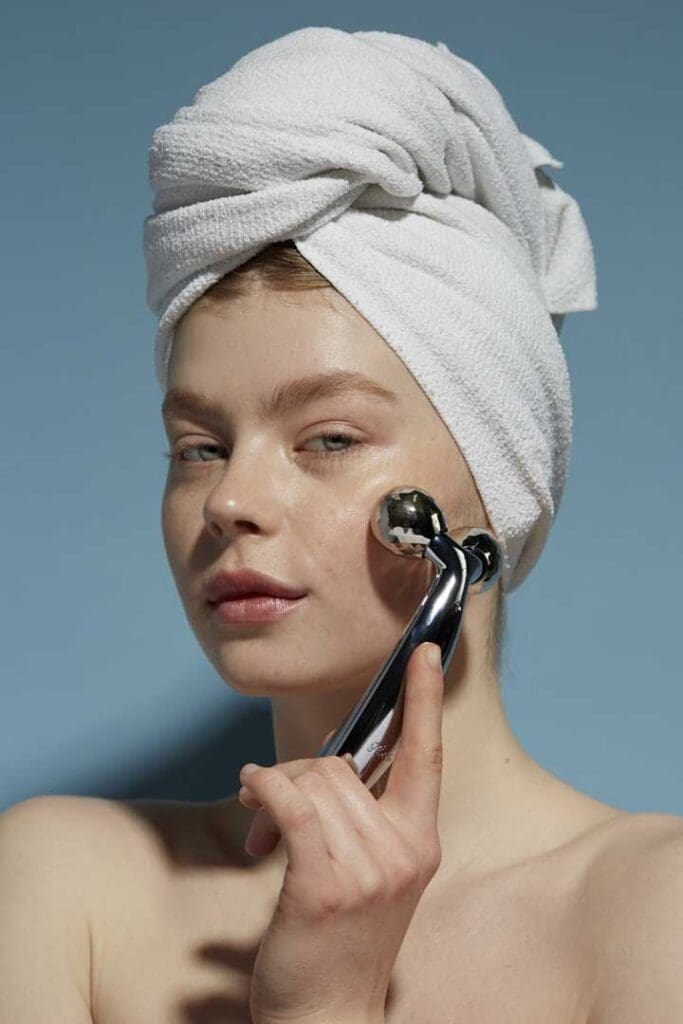
Skincare Imagery Has to Feel Believable
Consumers today are deeply aware of how imagery is constructed. They can immediately tell when skin looks over-retouched, lighting feels artificial, or casting doesn’t align with reality. In skincare photography, believability matters more than polish.
Real skin tells a story:
- Different textures absorb products differently
- Different tones reflect light in unique ways
- Different ages show results over time, not instantly
When skincare is shown on only one type of face, it limits trust. When it’s shown across a wide range of people, it becomes accessible.
Why Inclusive Casting Changes the Entire Campaign
Inclusive casting isn’t about checking boxes—it fundamentally changes how a skincare campaign feels and performs. When agencies cast models that represent a broad customer base, the work becomes more relatable and emotionally grounded.
Inclusive skincare photography allows:
- Customers to see themselves in the brand
- Products to be shown performing on different skin types
- Campaigns to feel honest rather than aspirational-only
- Brands to communicate care and awareness
This shift has led agencies to rethink how they approach skincare shoots from the ground up.
Representation Requires Technical Understanding, Not Just Good Intentions
This includes:
- Adjusting lighting ratios per model
- Preserving undertones and depth
- Avoiding flat or ashy skin
- Maintaining consistent color accuracy
- Retouching in a way that enhances, not erases
Inclusive skincare imagery only works when each model is treated with the same level of care and intention behind the camera.
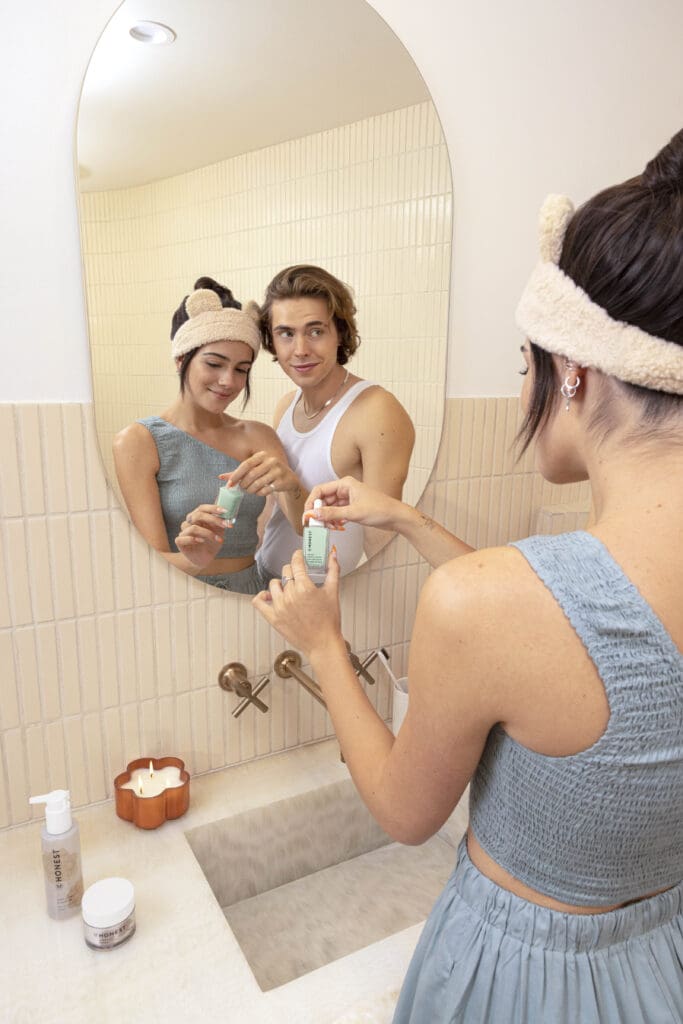
Why Agencies Are Prioritizing Diversity in Skincare Campaigns
Agencies are increasingly aware that inclusive campaigns don’t just reflect cultural values—they drive performance. Skincare brands that show diversity tend to see stronger engagement, higher trust, and longer campaign lifespans.
Inclusive campaigns:
- Feel more modern and relevant
- Connect with broader audiences
- Reduce skepticism around product claims
- Create emotional alignment with brand values
As a result, agencies are now seeking photographers who understand both the creative and technical sides of inclusive skincare photography.
The Importance of Comfort and Connection on Set
A relaxed environment allows:
- Natural expressions
- Subtle, believable movement
- Genuine interaction with products
- Skin to look calm rather than tense
This is especially important when working with models who may not fit traditional beauty standards but reflect real customers.
Skincare Photography Is About Trust First, Aesthetics Second
Skincare photography sells results—but more importantly, they sell confidence. When customers feel represented, they trust the brand. When they trust the brand, they invest in it.
Inclusive skincare photography builds that trust by:
- Showing real people
- Avoiding unrealistic promises
- Emphasizing routine over perfection
- Letting skin exist as it is
In 2026, this approach is no longer niche—it’s expected.
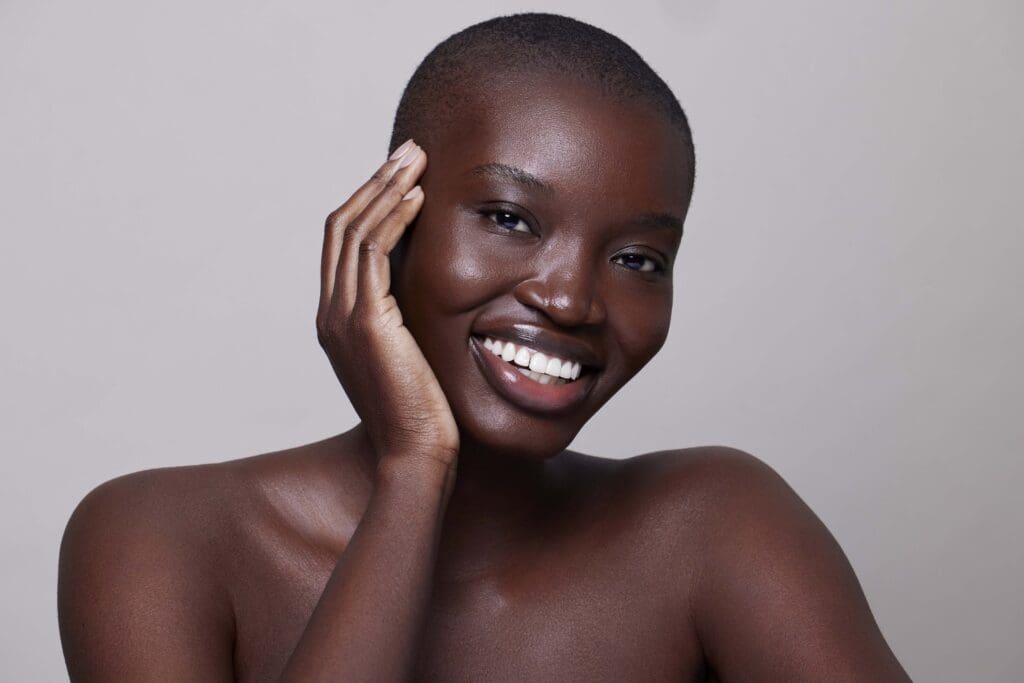
How Diversity Strengthens Long-Term Brand Identity
Brands that consistently prioritize inclusive skincare photography position themselves as thoughtful and future-focused. They aren’t reacting to trends; they’re building lasting relationships with their audience.
Over time, this leads to:
- Stronger brand loyalty
- Greater credibility
- More meaningful storytelling
- Campaigns that age well
Agencies recognize this and are aligning themselves with creatives who share this perspective.
Looking Ahead: The Future of Skincare Photography
As skincare continues to dominate the beauty industry, inclusive casting will remain central to how campaigns are conceived and executed. The future of skincare photography is not about perfection—it’s about representation, empathy, and honesty.
Brands and agencies that embrace this approach are creating work that feels human, trustworthy, and relevant. And in a crowded market, that’s what truly sets a campaign apart.
