
The Future of Beauty Production: What Agencies Need From Photographers in 2026
The beauty, skincare, cosmetics, and personal care industries are evolving faster than ever—and so are the expectations of the agencies that support them. In 2026, agencies aren’t just seeking photographers who “take great pictures.” They’re looking for partners who understand integrated production workflows, multi-asset delivery, real skin representation, and the ability to create cohesive stills and motion during the same shoot.
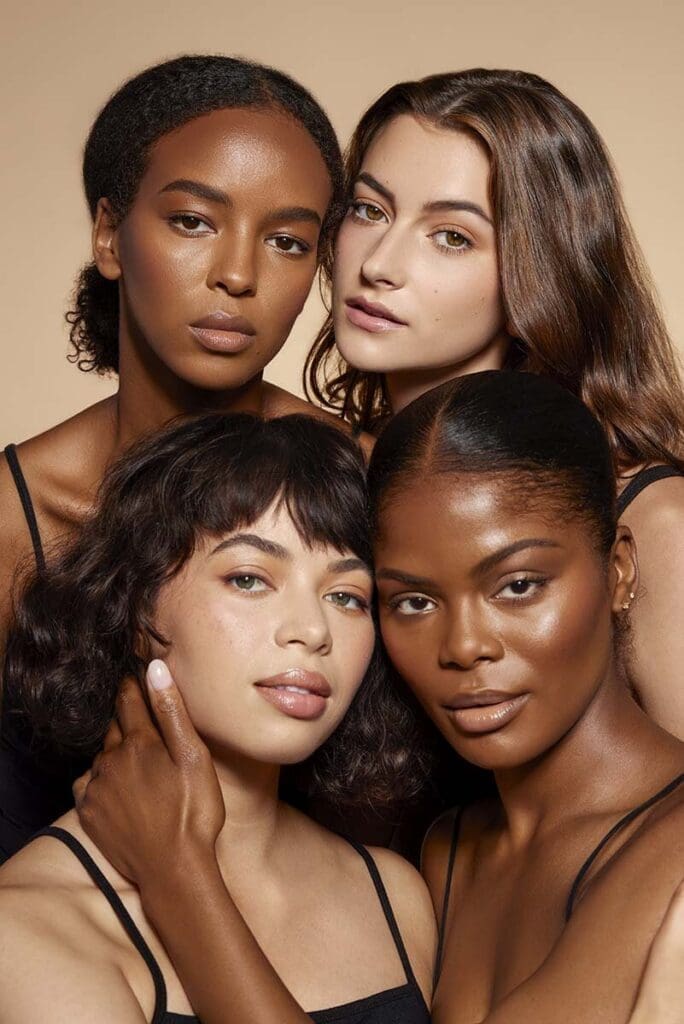
As a Los Angeles beauty photographer and commercial photographer working across beauty, cosmetics, skincare, hair, fragrance, and lifestyle brands, I’ve seen firsthand how agency needs have transformed. Photographers today need to bring far more to the table: strategy, pre-production clarity, technical versatility, brand alignment, and above all—reliability on high-stakes sets.
This blog explores the future of beauty production and what agencies need most from their photography partners in 2026.
Agencies Need Photographers Who Understand Multi-Asset Campaigns, Not Single Images
The days of delivering “hero images only” are long gone.
Agencies now plan campaigns that include:
- on-model beauty photography
- skincare product photography
- cosmetics still life photography
- motion skincare sequences
- beauty product videography
- paid media assets in multiple aspect ratios
- product-in-hand lifestyle shots
- ingredient still life
- UGC-inspired social content
- texture-focused macro videography
A single shoot day may require 40–100 pieces of content across mixed formats.
This shift means photographers must be comfortable directing both stills and motion, maintaining visual cohesion across every asset. As brands rely more heavily on digital campaigns, agencies increasingly prefer photographers who can deliver a full content ecosystem—not just a single deliverable.
Why Real Skin and Minimal Retouching Are Now Strategic Agency Priorities
Beauty photographers in Los Angeles used to be chosen for their ability to create flawless, highly retouched imagery. But today’s market is different. Agencies now prioritize:
- honest, minimal retouching
- real pores, freckles, texture
- visible skin tones, undertones, and luminosity
- natural makeup looks
- inclusive casting reflecting real consumers
- diverse age ranges and skin types
Why?
Because consumers no longer trust over-retouched beauty ads. Authenticity drives conversions.
Agencies want photographers who excel at capturing real skin beautifully, without relying on post-production to fix challenges. This requires:
- skillful lighting
- understanding of different skin tones
- collaboration with makeup artists
- consistent color accuracy
- precise exposure control
Minimal retouching isn’t just an aesthetic—it’s a strategic advantage.
Pre-Production Expertise Is Now a Non-Negotiable
Agencies want a photographer who makes the execution predictable. They evaluate partners not only on creative ability but also on:
- clarity in pre-production
- the ability to develop lighting references
- prop and set design planning
- shot list ideation and refinement
- alignment with brand identity
- integration of motion and stills needs
- clear communication about feasibility and timing
- understanding of product textures and materials
Agencies operate under strict timelines.
They value photographers who minimize risk, eliminate guesswork, and walk onto set with a fully prepared plan.
The smoother the pre-production, the smoother the entire campaign.
Motion Is No Longer Optional—It’s Expected
In 2026, every agency handling beauty accounts needs photographers who can create:
- cosmetics commercial video
- beauty product video shoot sequences
- motion skincare texture footage
- product pouring, smearing, swatching
- splash moments for hair product photography
- fragrance bottle motion shots
- lifestyle video moments on set
- looping platform-native clips
The line between photographer and videographer is dissolving.
Agencies now expect photographers to be:
- fluent in video lighting
- comfortable directing motion
- capable of shooting stills and video in the same setup
- delivering vertical, horizontal, and square formats
- understanding pacing, rhythm, and editorial flow
Photographers who can’t deliver motion assets increasingly lose opportunities.
Inclusive Beauty Must Be Embedded Into the Photographer’s Approach
For agencies, inclusive casting isn’t a trend—it’s mandatory.
Photographers must know how to light and photograph:
- deep skin tones
- pale and fair tones
- textured skin
- mature skin
- acne-prone skin
- melanin-rich complexions
- freckles, birthmarks, scars
Agencies want photographers who can confidently say:
“This imagery will resonate with real customers.”
Consistency Across Campaign Assets Is a Top Priority
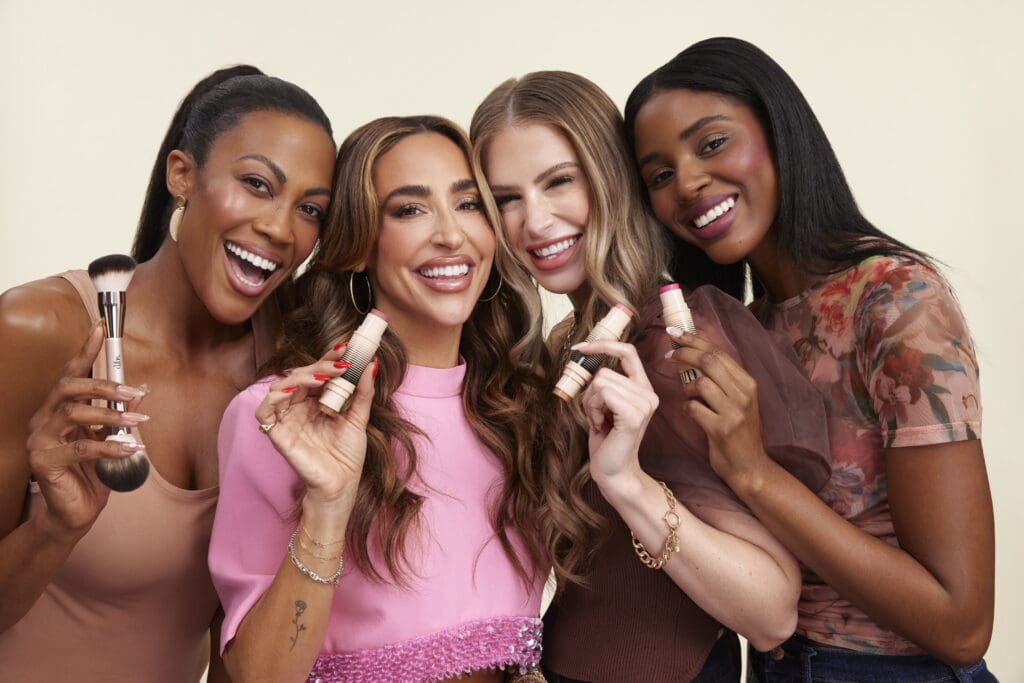
Agencies need consistent visual identity across:
- still life cosmetic photography
- beauty product photography
- on-figure beauty imagery
- lifestyle imagery
- video clips
- packaging or e-commerce assets
This consistency:
- strengthens brand recognition
- improves campaign cohesion
- streamlines approvals
- reduces retouching complexity
- aligns with global brand guidelines
Photographers who can maintain a unified visual language across varied subjects and formats quickly rise to the top of agency lists.
Agencies Expect Photographers Who Communicate Clearly and Lead with Confidence
The biggest pain point agencies report?
Creatives who add stress instead of reducing it.
Agencies need photographers who bring:
- calm leadership
- strong on-set communication
- quick problem-solving
- the ability to manage multiple moving parts
- seamless collaboration with large teams
- a positive, inclusive atmosphere for models
The Rise of Hybrid Shoots: Stills + Lifestyle + Product + Motion in One Day
Agencies now structure shoots around efficiency. A single day may include:
- model beauty shots
- skincare product textures
- cosmetics still life
- hair product photography
- beauty lifestyle moments
- fragrance bottle shots
- motion assets for social
- macro detail shots
Photographers must be fluent across multiple disciplines, not siloed into one specialty.
This is exactly where Shan’s background becomes a strategic differentiator—her work across beauty, skin care photography, cosmetics photography, lifestyle photography, and product photography allows agencies to consolidate vendors and maximize budgets.
Conclusion: What Agencies Will Look For in 2026 and Beyond
The future of beauty, skincare, cosmetics, and lifestyle campaign production demands more from photographers than ever before. Agencies need creative partners who can:
- deliver multi-format stills + motion
- maintain authentic, minimal-retouch beauty standards
- create consistent cross-platform visuals
- manage complex pre-production
- direct talent with calm confidence
- light every skin tone flawlessly
- collaborate with large creative teams
- handle product, lifestyle, beauty, and still life equally well
- plan for social, digital, print, and video needs simultaneously
Photographers who master these skills will stand out in the most competitive markets—especially in Los Angeles, where beauty production is booming.
For agencies seeking reliability, creativity, and strategic thinking, 2026 belongs to photographers who understand the full scope of modern production.
