
The Craft of Product Photography: Turning Ordinary Objects Into Visual Storytelling
Product photography is one of the most detail-driven forms of visual communication. It’s the foundation of how customers first meet a product—before they touch it, test it, or read about it. As a Los Angeles product photographer, I’ve seen how the right product image can instantly elevate a brand’s identity and directly impact how customers perceive quality, trustworthiness, and desirability.
Unlike lifestyle photography, which focuses on emotion and context, product photography is about clarity, precision, and intention. It’s where storytelling becomes technical, where small adjustments in light, texture, or placement can transform an entire narrative. In product-focused shoots, consistency is everything. Every shadow, reflection, color tone, and highlight needs to align with what the brand stands for.
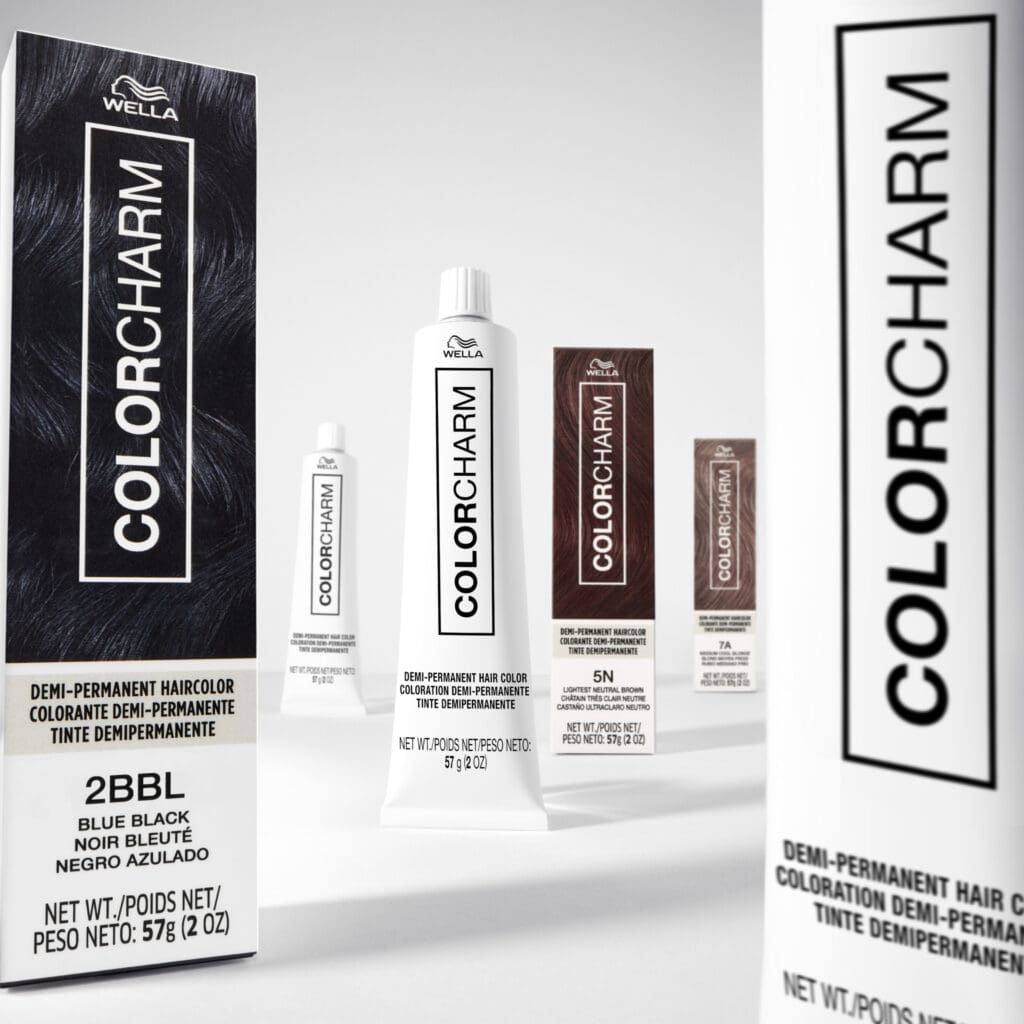
Why Product Photography Matters More Than Ever
In a digital world, your product is seen long before it is physically held. E-commerce, social media, packaging, digital ads, and editorial placements depend on strong visuals. Good product photography doesn’t just show what a product looks like—it communicates what it feels like and why it matters.
For beauty, skincare, cosmetics, haircare, fragrance, and wellness brands, this becomes even more essential. Customers buy emotionally, and your visuals guide that emotion.
The Art of Controlling Light
Lighting is the heart of every product image. As a product photographer in Los Angeles, I rely heavily on light shaping to reveal character and depth.
Soft light is often ideal for skincare product photography, especially when highlighting creams, gels, or oils that need to look luxurious without appearing greasy. Harder light works beautifully for still life cosmetic photography where shadows add drama and dimension.
The goal is to make the product feel alive—reflective without glare, textured without distortion, luminous without distraction.
Composition That Supports the Brand
Composition is not just visual arrangement; it’s strategy. Where the product sits in the frame influences what the viewer feels.
Some considerations I use:
Centered compositions for luxury, simplicity, and confidence
Rule-of-thirds for dynamic, editorial-style product shots
Angles that reveal texture, transparency, or packaging details
Layered foreground elements to add depth
Negative space for ad layouts needing text placement
Product photography becomes powerful when it merges art and function.
A Deep Understanding of Material Matters
Product surfaces behave differently under light. Plastics reflect sharply. Glass needs precision. Metals require careful highlight control. Textured skincare packaging and matte bottles absorb light uniquely compared to glossy ones.
A good product photographer must understand material behavior before the shoot begins.
This technical awareness helps avoid issues like:
Hotspots on reflective caps
Color shifts in tinted bottles
Harsh glare on serums
Overexposed label details
Under-lit matte packaging
Each material tells a story, and controlling it is part of the craft.
Color Accuracy Is Non-Negotiable
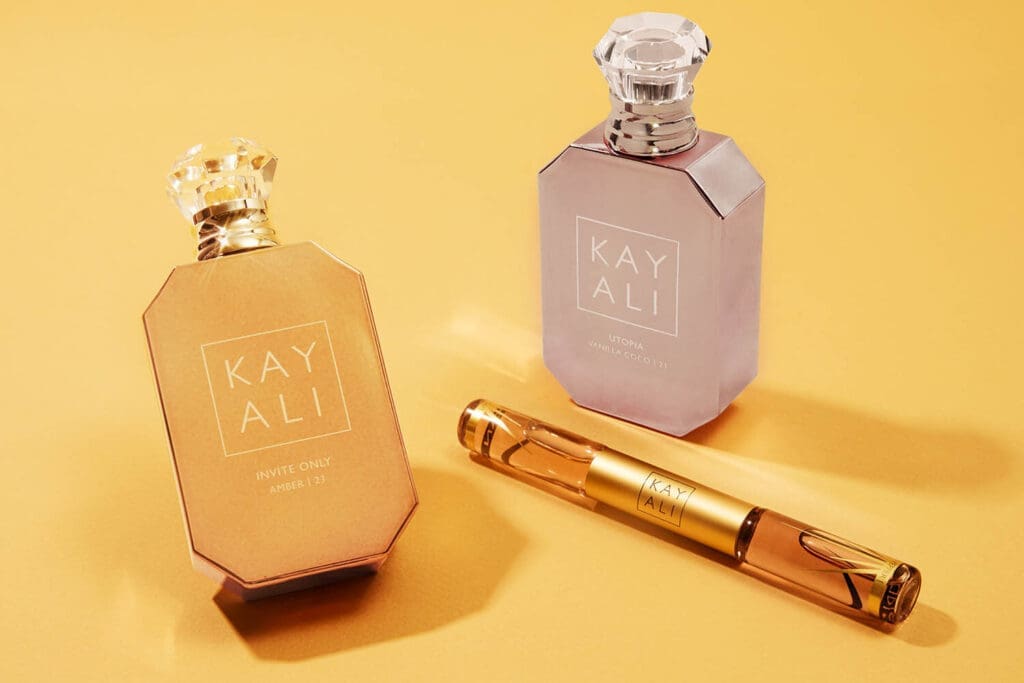
Customers expect what they see online to match what arrives at their door. That means strict attention to color fidelity.
I use calibrated monitors, controlled lighting temperatures, and careful editing to ensure that branding tones, packaging colors, and product shades remain accurate. This is especially crucial for cosmetics product photography—lipsticks, foundations, blush, eyeshadow, and pigments must reflect reality or risk customer dissatisfaction.
Creating Depth in Still Life
Still life photography allows for more artistic direction. As a still life photographer working in Los Angeles, I incorporate elements that enhance the product, such as:
Florals for skincare
Stone and marble for luxury cosmetics
Liquids for haircare or fragrance
Fabric textures for elegance
Water splashes for freshness
Botanical ingredients for clean beauty brands
These elements inject life into the scene without overpowering the product itself.
Understanding Brand Identity
Before any shoot, I study the brand’s personality. Is it clinical? Soft? Minimal? Vibrant? Playful? Luxurious?
Product photography needs to visually express that identity in every image.
For example:
Clean skincare brands need open, breathable compositions.
High-performance haircare often calls for motion, gloss, and contrast.
Luxury cosmetics demand precision, sharpness, and rich tones.
Wellness brands benefit from natural materials and calming palettes.
A photographer who understands brand identity can create images that feel like an extension of the brand—not an interpretation.
10 Essentials of Strong Product Photography
A quick listicle for brands and creatives:
- Light defines the product more than the camera does.
- Surfaces and textures require intentional highlight control.
- Composition must support brand goals, not just aesthetics.
- Props should enhance, not distract.
- Color accuracy is essential for trust.
- Backgrounds should complement the product’s tone.
- Shadows give products weight and realism.
- Retouching must be clean but not artificial.
- Consistency is key for multi-image campaigns.
- Simplicity often wins over complexity.
Strong product photography is built on discipline and clarity.

How Los Angeles Shapes Product Photography
Working in a Los Angeles product photography studio gives me access to tools, stylists, and environments that elevate production quality. LA has a thriving creative community, which means collaboration is rich—prop stylists, set designers, motion specialists, and retouchers are all within reach.
Many brands choose Los Angeles specifically for the range of creative energy available. Whether shooting in studio or on location, the resources here make it possible to create polished marketing imagery at the level national brands expect.
The Role of Motion in Product Photography
Many brands now pair product photography with quick motion clips—ingredient pours, texture swipes, packaging rotations, and splash moments.
Motion adds life, energy, and sensorial appeal to products. It transitions static visuals into dynamic storytelling and supports a complete ad campaign.
By combining product photography and product videography, brands gain assets that work across social media, advertising placements, and e-commerce.
Conclusion
Product photography may look simple at first glance, but it’s one of the most precise, detail-focused genres of commercial photography. Every highlight, shadow, angle, and color carries meaning.
As a Los Angeles product photographer, my goal is always to translate the product’s essence into visuals that feel intentional and elevated. With the right lighting, composition, color control, and understanding of brand identity, product photography becomes so much more than documentation—it becomes a form of visual storytelling.
When brands invest in strong, consistent product imagery, they build trust, increase engagement, and create a foundation for long-term loyalty.
