
Lifestyle Photography in 2026: How Real Moments Help Brands Connect With Their Audiences
Lifestyle photography has become one of the most powerful tools brands use to communicate who they are and how they fit into people’s lives. In 2026, audiences are no longer drawn to perfectly staged images that feel distant or overly produced. They respond to moments that feel real, human, and relatable.
For brands across beauty, skincare, fashion, wellness, and consumer products, lifestyle photography bridges the gap between aspiration and everyday reality. It shows not just what a product looks like, but how it lives alongside real people. This shift has made lifestyle imagery central to modern brand storytelling.
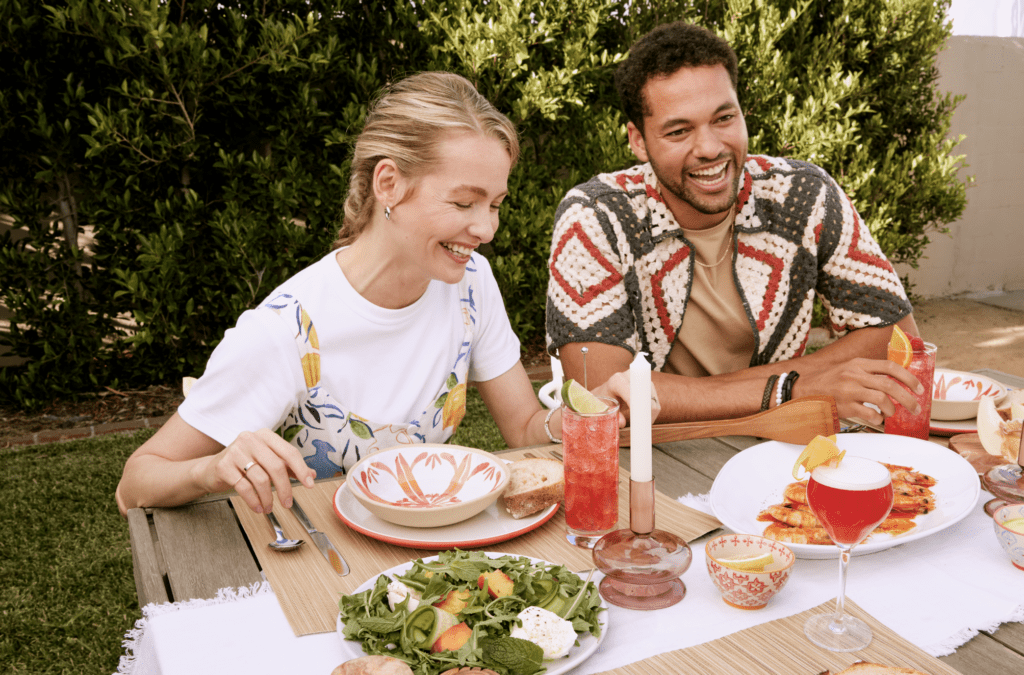
Why Lifestyle Photography Feels More Relatable Than Traditional Campaigns
At its core, lifestyle photography focuses on context. Instead of isolating a product or subject, it places them within an environment that feels familiar. This context allows audiences to imagine the product in their own lives.
Lifestyle imagery works because:
- It feels less like advertising and more like observation
- It mirrors real routines and habits
- It creates emotional connection through subtle storytelling
When people recognize moments that feel similar to their own experiences, trust forms naturally.
Emotion Drives Connection in Lifestyle Campaigns
Strong lifestyle photography captures emotion in small, honest ways. A relaxed posture, natural interaction, or fleeting expression can say more than a perfectly posed image ever could.
These emotional cues:
- Make brands feel approachable
- Invite viewers into the story
- Create warmth and authenticity
- Encourage longer engagement with the image
In 2026, brands that prioritize emotional connection over perfection are standing out in crowded markets.
Showing Products in Use Builds Believability
Lifestyle photography is especially effective because it shows products in action. Whether it’s skincare being applied, a fragrance bottle resting on a vanity, or a wellness product used as part of a daily routine, seeing a product in use removes guesswork for the consumer.
This approach:
- Helps audiences understand scale and texture
- Demonstrates real-life application
- Makes products feel accessible rather than aspirational-only
- Encourages viewers to picture themselves using the product
Brands benefit when customers can easily visualize how something fits into their lifestyle.

Why Lifestyle Photography Performs Better Across Platforms
Modern campaigns rarely live in one place. Lifestyle photography adapts easily across websites, social media, email marketing, and paid advertising. Its natural feel translates well across formats and platforms.
Lifestyle imagery:
- Feels native on social feeds
- Performs well in short-form content
- Supports storytelling across multiple touchpoints
- Extends the life of a campaign
Agencies favor lifestyle photography because it provides versatility without sacrificing cohesion.
Authenticity Matters More Than Ever
Audiences today are highly attuned to what feels real versus staged. Lifestyle photography thrives when it avoids over-direction and allows moments to unfold naturally.
Authentic lifestyle imagery includes:
- Imperfect but intentional compositions
- Natural light and softer color palettes
- Real expressions and interactions
- Environments that feel lived-in
This authenticity builds credibility and helps brands feel aligned with modern values.
The Role of Casting in Lifestyle Storytelling
Just like in beauty and skincare photography, casting plays a crucial role in lifestyle campaigns. Inclusive casting ensures that a wide range of people feel represented in brand imagery.
When audiences see themselves reflected:
- Trust increases
- Engagement improves
- Brand loyalty strengthens
Lifestyle photography becomes even more powerful when diversity is woven in naturally, without calling attention to itself.
Lifestyle Photography as a Long-Term Brand Asset
One of the biggest advantages of lifestyle photography is its longevity. While trend-driven visuals can feel dated quickly, authentic lifestyle imagery tends to age well.
Brands that invest in lifestyle campaigns often gain:
- Evergreen content
- Consistent brand voice
- Visual continuity across seasons
- Stronger emotional brand recall
This makes lifestyle photography a strategic investment rather than a short-term tactic.

Looking Ahead: The Future of Lifestyle Photography
As consumers continue to seek honesty and connection, lifestyle photography will remain a cornerstone of brand communication. In 2026, successful brands are those that understand their audience not just as customers, but as people.
Lifestyle photography helps tell those stories—quietly, thoughtfully, and with intention. When done well, it doesn’t interrupt the viewer. It invites them in.
And that invitation is where real connection begins.
