
Cosmetics Photography in 2026: How Beauty Photography Is Evolving With the Industry
The beauty industry has always been shaped by culture, technology, and shifting consumer values. In 2026, cosmetics photography and beauty photography are evolving faster than ever, driven by a demand for authenticity, inclusivity, movement, and connection. Brands are no longer chasing perfection—they’re chasing relatability, trust, and emotion.
For photographers working in cosmetics and beauty, this shift has changed everything: how campaigns are planned, how models are directed, how products are shown, and how imagery performs across digital platforms. Understanding these trends is no longer optional—it’s essential for staying relevant in an increasingly competitive visual landscape.
The Move Away From Perfection Toward Real Beauty
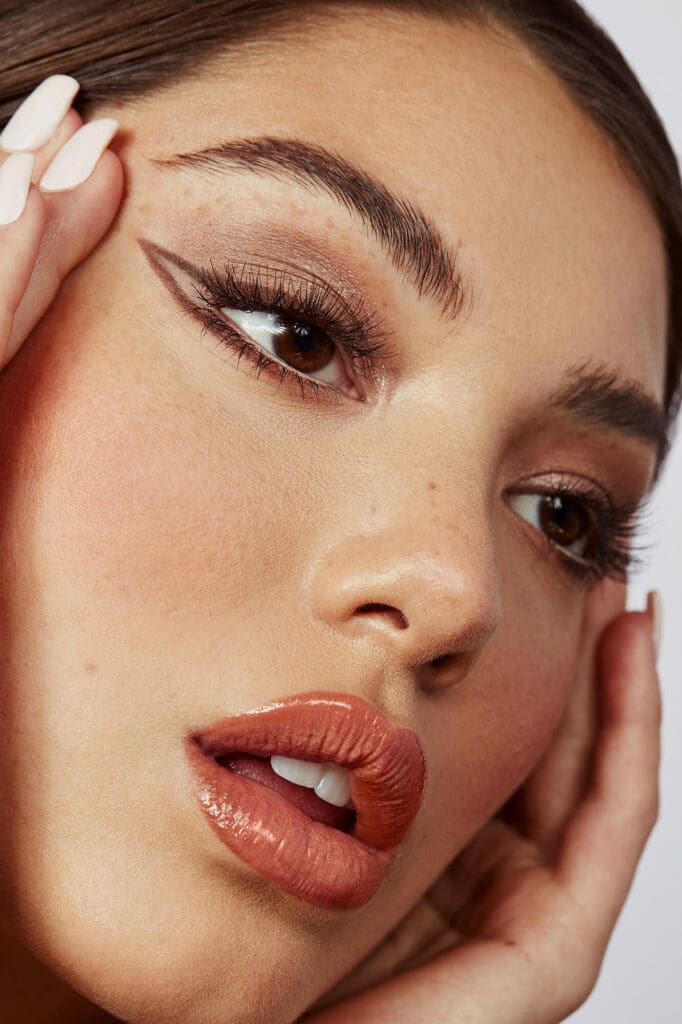
One of the most defining trends in beauty photography for 2026 is the continued move away from overly polished, hyper-retouched imagery. Consumers are more visually literate than ever. They can spot unrealistic skin, excessive smoothing, and artificial lighting instantly—and when they do, trust is lost.
Cosmetics photography today leans into:
- Natural skin texture
- Visible pores, freckles, and fine lines
- Soft, intentional lighting
- Minimal retouching
- Honest representation of product payoff
Beauty brands are learning that realism doesn’t diminish aspiration—it enhances it. When audiences see skin that looks like their own, they’re more likely to believe in the product being shown.
Inclusivity as a Core Creative Standard
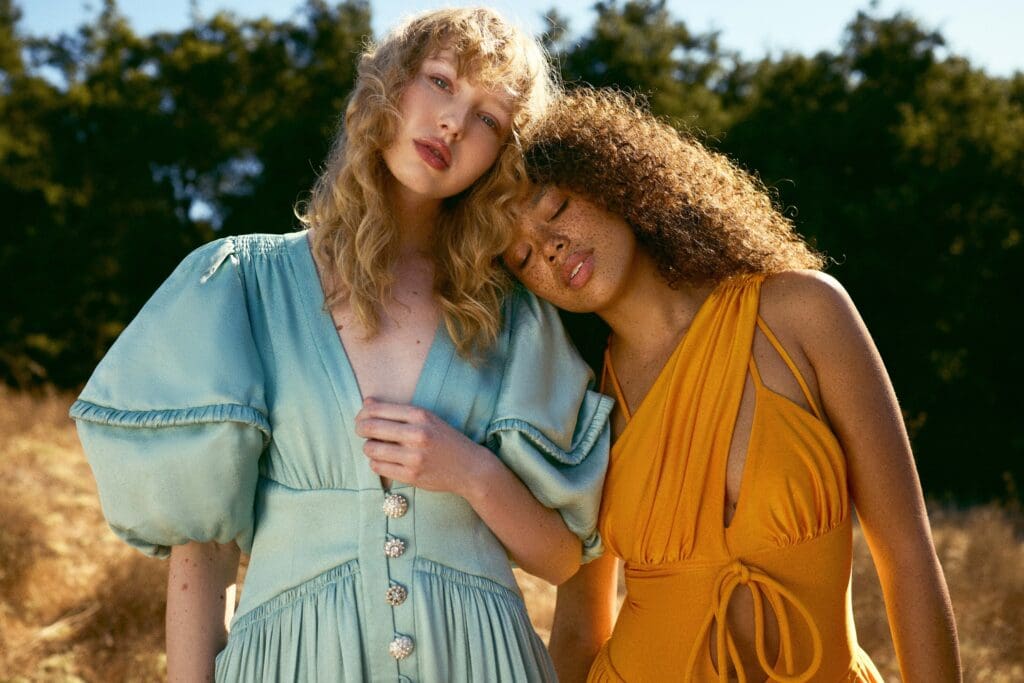
Inclusivity is no longer a campaign theme—it’s a baseline expectation. In 2026, beauty photography reflects a wider range of skin tones, ages, genders, and identities than ever before. Cosmetics brands are being held accountable for how well their visuals represent their actual customer base.
This shift affects everything from casting to lighting to post-production. Inclusive cosmetics photography requires photographers who understand how to:
- Light different skin tones accurately
- Preserve undertones and depth
- Avoid “one-size-fits-all” lighting setups
- Retouch without erasing identity
Brands that prioritize inclusive imagery consistently outperform those that don’t—both in engagement and long-term loyalty.
Motion Becoming Central to Beauty Storytelling
While still photography remains essential, motion has become the backbone of beauty marketing in 2026. Cosmetics photography is now designed to coexist seamlessly with video, not compete with it.
Beauty campaigns increasingly rely on:
- Short-form video for social platforms
- Texture-focused motion clips
- Application demonstrations
- Lifestyle beauty moments
- Product-in-hand shots that feel natural
Motion allows audiences to see how products behave in real time—how a lipstick applies, how a serum absorbs, how skin moves in light. For cosmetics brands, this level of transparency builds confidence and reduces hesitation in purchasing.
Product + Model Integration Is Stronger Than Ever
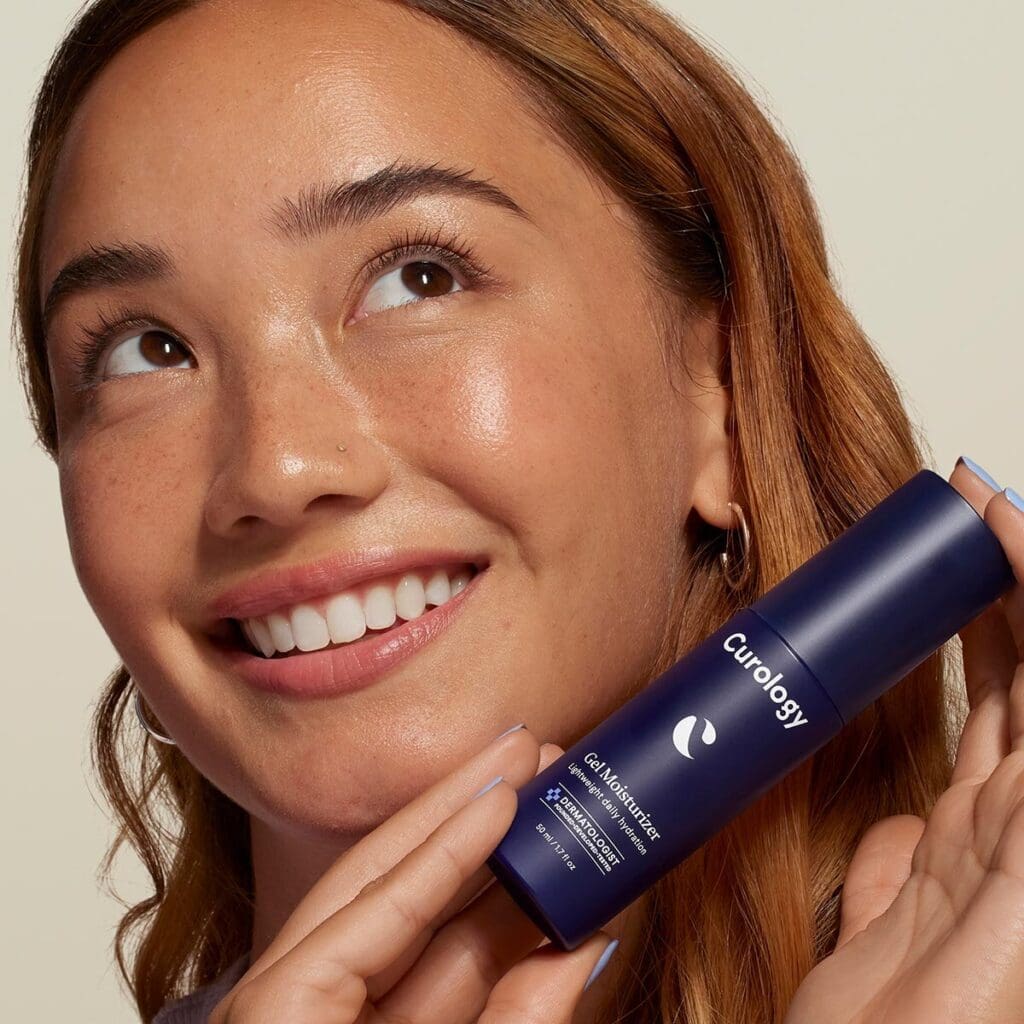
Another major shift in beauty photography is the way products are shown on and with models. Isolated product shots still matter, but consumers connect more deeply when they see cosmetics in use.
In 2026, effective cosmetics photography often includes:
- Models holding products naturally
- Product applied directly on skin
- Close-ups that balance face and packaging
- Lifestyle interactions that feel unposed
This approach bridges the gap between aspiration and reality. It shows not just what a product looks like, but how it fits into a real routine.
Softer Lighting and Lifestyle Influence
Hard, dramatic beauty lighting still has its place, but the dominant trend in 2026 leans softer and more lifestyle-driven. Natural light, diffused setups, and environments that feel lived-in are shaping the look of modern beauty campaigns.
This aesthetic creates:
- A sense of calm and ease
- More natural expressions from models
- Skin that looks healthy rather than glossy
- A stronger emotional connection to the brand
Lifestyle-inspired beauty photography allows cosmetics to feel approachable, personal, and part of everyday life—not just something reserved for special occasions.
Editorial Influence in Commercial Beauty Photography
The line between editorial and commercial beauty photography continues to blur. Brands are embracing imagery that feels less “ad-like” and more story-driven, borrowing from editorial pacing, framing, and emotion.
This trend shows up in:
- Imperfect but intentional compositions
- More relaxed posing
- Subtle facial expressions
- Quiet, intimate moments
- Less rigid art direction
In 2026, the most successful beauty campaigns don’t shout—they invite.
Why Consistency Matters Across Platforms
Beauty photography today must perform across multiple platforms: websites, social media, paid ads, in-store displays, and e-commerce. Consistency in tone, color, and style is critical.
Brands are increasingly working with photographers who can deliver:
- Still and motion assets together
- Unified lighting across model and product shots
- A cohesive visual identity across formats
This integrated approach ensures that no matter where the consumer encounters the brand, the imagery feels intentional and recognizable.
Looking Ahead: Where Beauty Photography Is Going Next
As cosmetics photography continues to evolve, a few things are clear:
- Authenticity will always outperform perfection
- Inclusivity will remain non-negotiable
- Motion will continue to grow in importance
- Lifestyle influence will deepen emotional connection
- Consumers will reward honesty with loyalty
In 2026, beauty photography isn’t just about looking good—it’s about feeling real. Brands that understand this shift, and creatives who know how to execute it thoughtfully, are shaping the future of the industry.
