
Why Brands and Agencies Are Prioritizing Authentic Skin in 2026 Campaigns
The beauty and skincare industry has been shifting for years—but 2026 marks a turning point. Agencies and major brands are recalibrating what beauty looks like in advertising, and the focus has officially moved away from perfection and toward authenticity. Skin texture, freckles, pores, undertones, lines, and natural variation are no longer elements to hide. They’re essential to the story.
As a beauty photographer in Los Angeles working across skincare photography, cosmetics photography, hair, wellness, and lifestyle + product photography, I’ve seen the evolution up close. Consumers want honesty. Agencies want credibility. And brands want long-term trust. Authentic skin imagery delivers all three.
Here’s why real skin has become the most valuable asset in beauty and skincare campaigns—and what agencies need from photographers to meet this new industry standard.
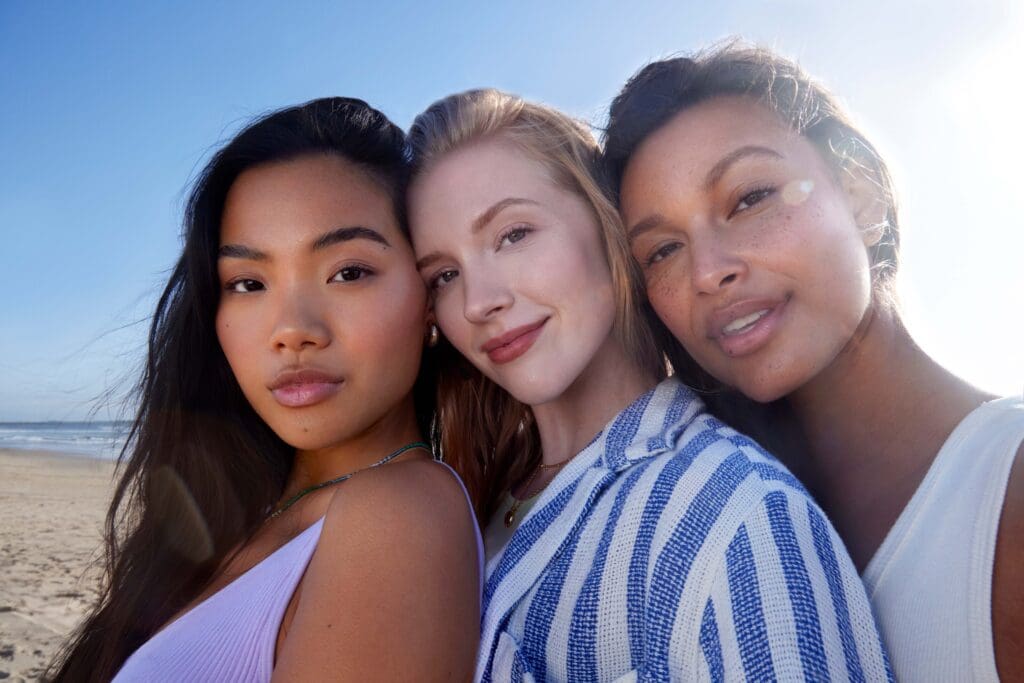
The Demand for Authenticity Is Led by Consumers, Not Brands
For years, the industry relied on heavy retouching and artificial perfection because that was the norm. But today’s consumer has changed:
They can detect when an image is overly edited
They trust brands that show real results
They prefer texture over artificial smoothness
They expect representation of real skin tones
They want diversity reflected honestly, not superficially
As a result, agencies and production companies now prioritize landing photographers who naturally shoot minimal retouching, true color reproduction, and honest lighting. The most successful beauty photographers in Los Angeles are the ones who have adapted their style to meet this new expectation without compromising image quality or creative direction.
Authenticity isn’t a trend—it’s the new creative baseline.
Why Real Skin Performs Better Across Digital Platforms
Real skin is winning everywhere:
Social ads convert higher.
Paid campaigns look more relatable.
Organic content outperforms polish.
UGC and studio campaigns now blend seamlessly.
Beauty product photography and skincare product photography benefit significantly when the viewer can see:
How a moisturizer actually sits on the skin
How foundation matches undertones
How serum texture absorbs
How makeup applies on textured or mature skin
How real pores respond to skincare products
In beauty product videography, the effect is even more powerful because motion removes the possibility of fake perfection. Cosmetics commercial video assets that show real skin behavior outperform traditional videos because viewers feel they’re seeing something honest.
Authentic imagery builds trust, and trust drives conversions.
Minimal Retouching Isn’t Under-Editing—It’s Skill
Shooting for authentic skin requires a different skillset than polishing skin in post.
Real beauty photographers los angeles must be fluent in:
Lighting each skin tone accurately
Balancing highlight and shadow for texture visibility
Preventing unflattering shine while keeping natural glow
Avoiding color shifts that distort undertones
Shooting close range without distortion
Collaborating with makeup artists to ensure natural finish
Minimal retouching only works when the foundational image is strong.
Agencies now choose photographers who can solve problems through lighting and expertise—not editing.
Inclusive Skin Representation Is a Strategic Priority for Agencies in 2026
Representation is not just about casting diverse models—it’s about photographing them correctly.
Every skin tone reflects light differently
Melanin-rich skin needs different highlight control
Pale skin requires different fill ratios
Redness, texture, and undertone must be respected
Mature skin must be lit with care, not disguised
Skincare companies especially need imagery that is accurate, inclusive, and scientifically honest. Skin care photography for global brands must feel universal, not exclusive.
Why Agencies Need Photographers Who Understand Both Stills and Motion
The rise of motion and digital content means authentic skin needs to hold up across:
cosmetics commercial video
beauty product video shoot moments
skincare commercials
beauty product videography for ads
social-first motion skincare sequences
vertical video content for reels and TikTok
macro texture videos
Capturing real skin in motion requires technical mastery. Every detail—how a serum glides, how foundation blends, how natural glow moves—must feel believable.
Agencies now prefer photographers who can deliver a unified look across stills, product shots, texture videos, and on-model footage.
Consistency builds stronger campaigns.
The Role of Real Lighting in Authentic Skin Imagery
Lighting is the cornerstone of real beauty.
Overly soft light hides texture.
Harsh light magnifies imperfections.
Color shifts distort makeup accuracy.
Real skin photography requires intentional lighting, not guesswork. My approach includes:
Natural diffused light for skincare routines
Soft directional light for complexion shots
Hard light for editorial cosmetics photography
Balanced mixed light for lifestyle campaigns
High fill ratios for deeper skin tones
Controlled bounce for pale undertones
Lighting shapes authenticity. No amount of editing can replicate correct lighting on set.
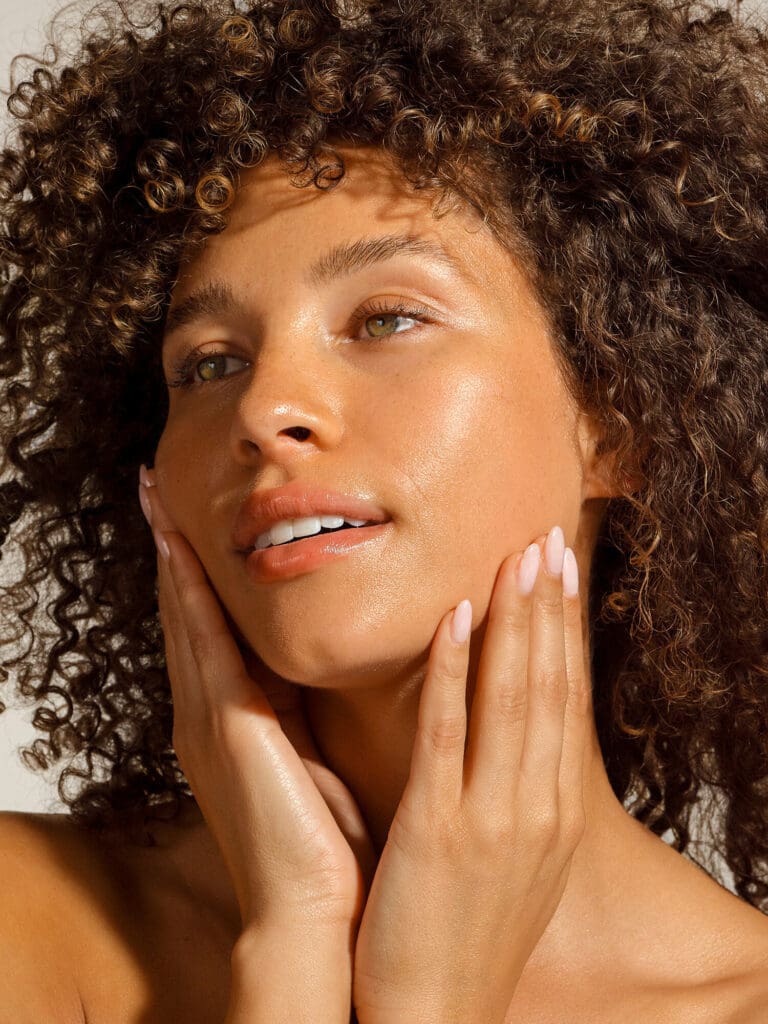
How Agencies Can Improve Authenticity Through Pre-Production
Authentic skin doesn’t happen by accident. Agencies who plan for it in pre-production see better results.
I work with teams to:
Align on lighting direction
Discuss the retouching philosophy
Clarify real-skin expectations
Define diversity and representation goals
Coordinate makeup styles that don’t mask texture
Ensure skincare prep is realistic, not staged
Create a shot list that puts skin front and center
This clarity builds trust between agency, client, and photographer—and ensures the final campaign aligns with the cultural expectations of modern consumers.
Why Authentic Skin Helps Brands Compete in a Saturated Market
The beauty market is crowded.
Skincare shelves are overwhelming.
Cosmetics brands are launching weekly.
What stands out?
Honesty.
Real skin helps brands:
Build credibility
Differentiate from over-edited competitors
Show real effectiveness
Connect emotionally with consumers
Increase campaign longevity
Support brand values of transparency
Authentic beauty photography resonates more deeply—and for longer—than manipulated imagery.
How Los Angeles Shapes the Future of Authentic Skin Photography
Los Angeles is one of the most diverse cities in the world, and that diversity shows up in its beauty industry. Working as a los angeles beauty photographer exposes me to every skin tone, texture, age group, and cultural background. This is one of the reasons LA has become the epicenter of authentic beauty campaigns.
Agencies and production companies can access talent who represent real beauty standards. When combined with the technical expertise of photographers specializing in skincare product photography, cosmetics still life photography, and on-model beauty, LA becomes a hub for groundbreaking visual storytelling.
Conclusion: Authentic Skin Is the Future of Beauty Advertising
Authenticity has officially become non-negotiable. Agencies and brands that embrace real skin—texture, diversity, honesty—are building campaigns that resonate deeply with modern consumers.
In 2026 and beyond, agencies will seek photographers who can deliver:
Real skin
Minimal retouching
Inclusive beauty representation
Consistent stills + motion
Scientific accuracy for skincare brands
Emotional storytelling for cosmetics
Technical excellence in lighting and color
Collaborative, reliable production energy
The future of beauty advertising is human. And real, authentic skin—honored and photographed with care—will define the most successful campaigns to come.
