The Top 10 Challenges in Cosmetics Photography (and How to Overcome Them)
As a beauty photographer in Los Angeles, I’ve spent years perfecting the craft of capturing cosmetics in a way that’s not just visually striking, but commercially effective. The truth? It’s not easy. Between reflective packaging, delicate textures, and ever-evolving beauty trends, cosmetics photography can be a minefield of technical and creative challenges.
Whether I’m shooting a cosmetics commercial video in a full-service studio or styling a clean still life cosmetics shoot for a minimalist skincare brand, there are recurring hurdles every cosmetics photographer will face. Here are my top 10 challenges in cosmetics and personal care photography — and the solutions that keep my workflow smooth and my clients happy.
1. Highly Reflective Packaging
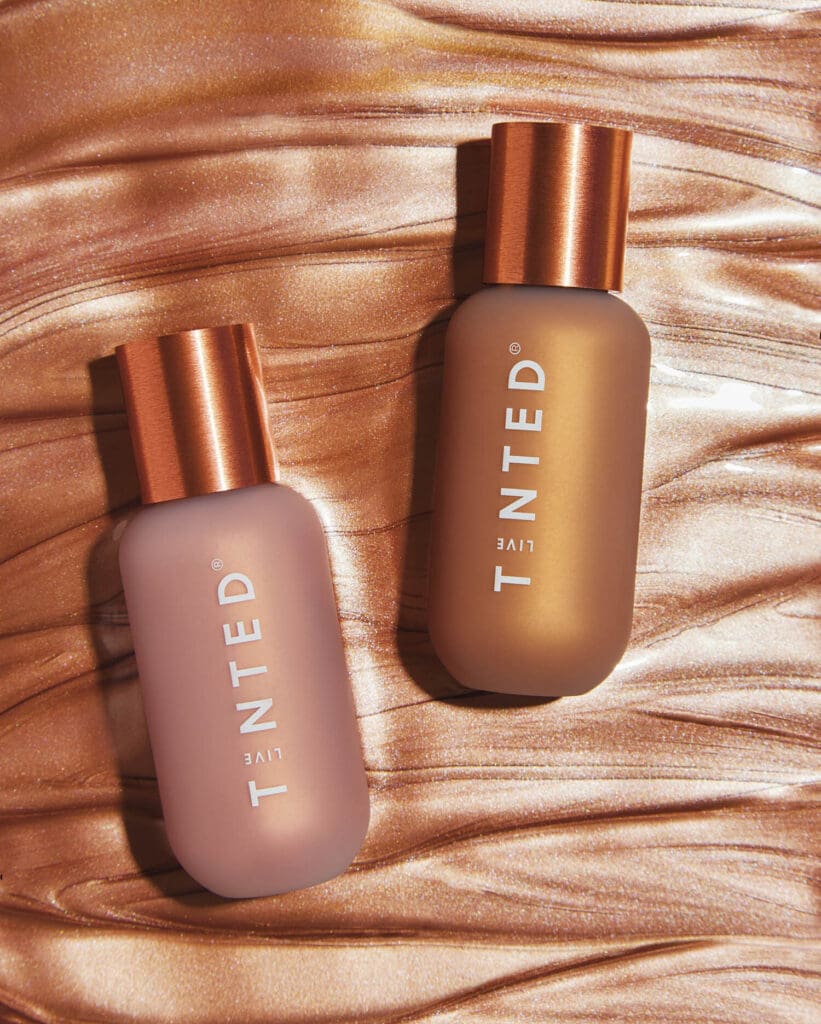
From chrome lipsticks to glass foundation bottles, cosmetics often come in high-shine, reflective packaging that shows everything — including the camera, the lights, and you.
Solution: I use large diffusion panels to soften reflections and carefully angle my lights to avoid hot spots. I also create custom light tents for some products and lean on post-production for the final clean-up. Being a Los Angeles product photographer, I also have access to top-tier equipment that gives me more flexibility in lighting control.
2. Capturing True Product Texture
The texture of a creamy foundation or whipped moisturizer is just as important as the packaging. But it’s tricky to photograph these in a way that feels dimensional and real.
Solution: Use directional lighting and macro lenses to create soft shadows and natural curves in the product. In skincare product photography, I also incorporate applicators or fingertips to show real use — which not only captures texture but adds a lifestyle element to the shot.
3. Product Colors Don’t Match in Photos
Nothing frustrates a cosmetics client more than inaccurate shade representation. Whether it’s lip color, blush, or foundation, capturing accurate hues is critical.
Solution: I use calibrated monitors and color checkers in every shoot. I also custom white balance every lighting setup and shoot tethered, so clients can approve color accuracy in real-time. This is key in makeup product photography, especially when producing for advertising or eCommerce.
4. Messy Product Styling
In a cosmetics photoshoot, the tiniest fleck of dust or fingerprint can ruin an otherwise perfect shot. Keeping the product pristine is both a technical and creative task.
Solution: My go-to tools? Gloves, microfiber cloths, tweezers, compressed air, and a healthy dose of patience. Having an experienced stylist on set makes a huge difference too, especially when working with creams, powders, or liquids.
5. Keeping Consistency Across a Campaign
When shooting an entire line of skincare or makeup products, clients often want dozens of images that feel cohesive across platforms.
Solution: I rely on detailed shot lists, mood boards, and color palettes established ahead of time. In my Los Angeles product photography studio, we shoot with style guides in hand to ensure each image aligns with the brand’s visual DNA — from lighting and shadows to composition and negative space.
6. Balancing Aesthetic with Informational Shots
It’s easy to fall into the trap of making a product look good without clearly communicating its function or benefit.
Solution: My job as a beauty product photographer isn’t just to make things pretty — it’s to help sell the product. I always aim for a balance between beauty and clarity, especially in commercial beauty photography, where lifestyle and eCommerce needs overlap.
7. Creating Motion in Static Images
Motion sells. But with still images, it can be tough to communicate how a serum flows, or how a powder bursts from a brush.
Solution: I lean into beauty product videography and motion skincare shoots where needed, but I also use visual tricks — like droplets, swipe textures, flowing ribbons, and animated compositions — to give still images a sense of movement and energy.
8. Managing Product Melting or Drying
Many cosmetics — especially balms and creams — can dry out, melt under hot lights, or look past their prime if not handled quickly.
Solution: We work fast and smart. I often keep backups chilled, minimize on-set lighting heat, and collaborate closely with assistants and stylists to rotate products as needed. This is particularly important in hair product photoshoots or still life beauty shoots, where products need to look fresh and full-bodied.
9. Limited Shooting Time
Some clients only have a small window or a single prototype available for shooting. That puts immense pressure on getting it right the first time.
Solution: My experience shooting in Los Angeles commercial photography studios has taught me to prep obsessively. I plan lighting setups, camera angles, surfaces, and props in advance, so the shoot day flows smoothly — even under tight time constraints.
10. Telling a Story Through a Product
The hardest — but most rewarding — challenge is building a visual story with what may seem like a small, inanimate object.
Solution: Every cosmetic product has a story: a benefit, an audience, a mood. Whether I’m shooting fragrance photography, skin care commercials, or cosmetics still life, I build each shot to express emotion, lifestyle, or transformation. That’s what turns a product photo into a brand statement.
Conclusion: The Challenge Is the Beauty
Cosmetics photography in Los Angeles is fast-paced, high-expectation work — but that’s exactly why I love it. The combination of technical precision and creative storytelling is what drives me to elevate every shot.
Being a beauty photographer in Los Angeles means adapting constantly, collaborating with innovative brands, and embracing the challenges that make this industry so unique. Whether you’re planning a cosmetic commercial, beauty product TVC, or still life product shoot, overcoming these 10 challenges is what separates a good campaign from a great one.